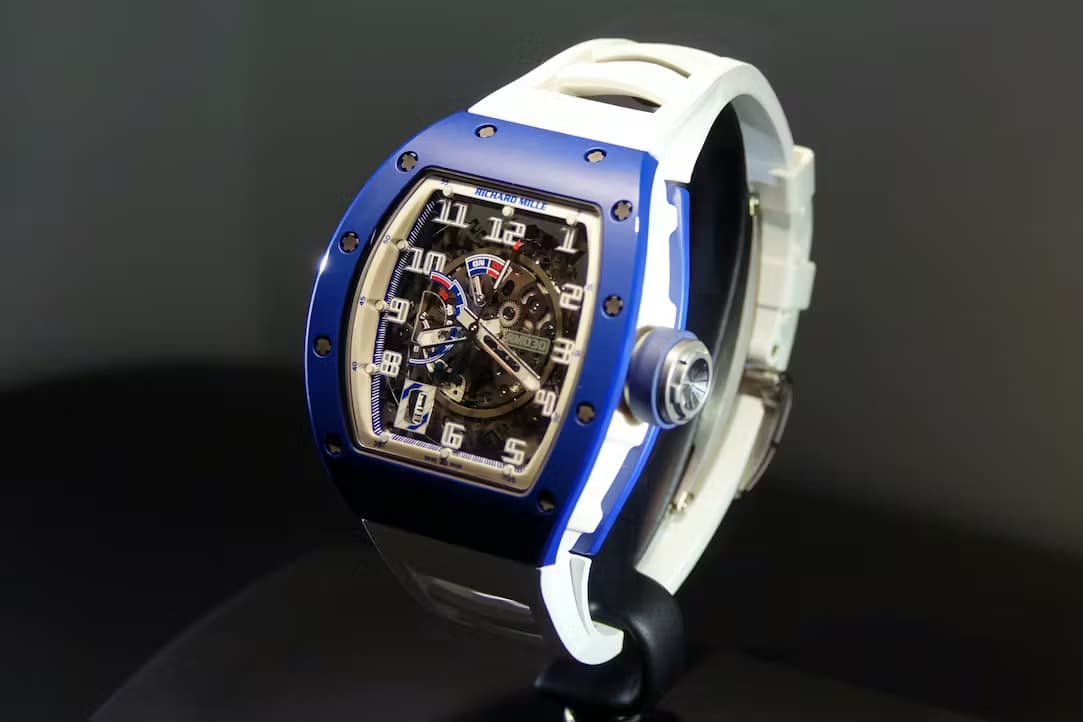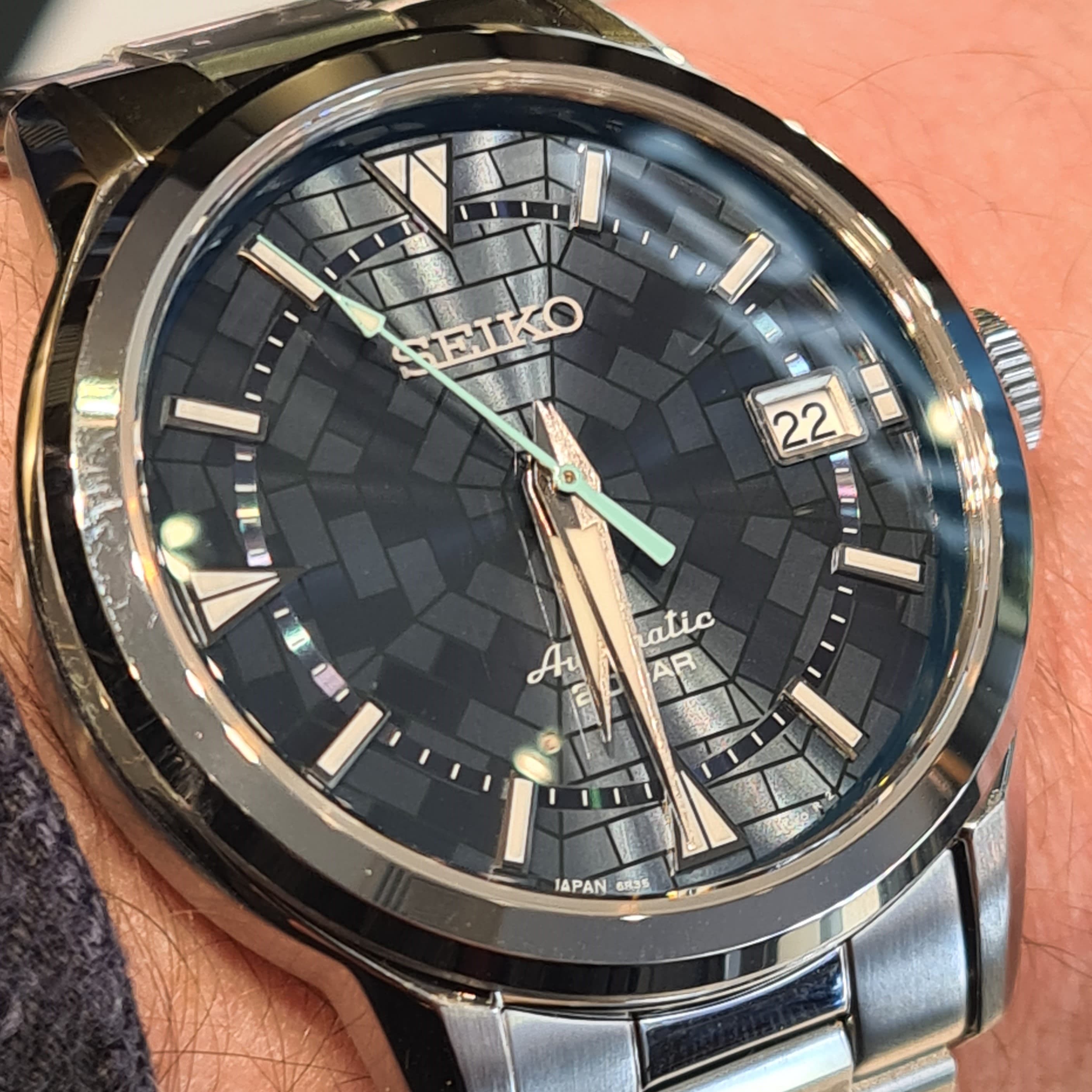
Look at the next watch advert you see, in a magazine, on a billboard, on a brand's own website, and there's a very good chance the hands will read almost exactly 10:10. Once you know to look for it, you'll end up seeing it everywhere.
We wanted to know why, and where the honest answer sits between hard research and good storytelling.
Where 10:10 came from
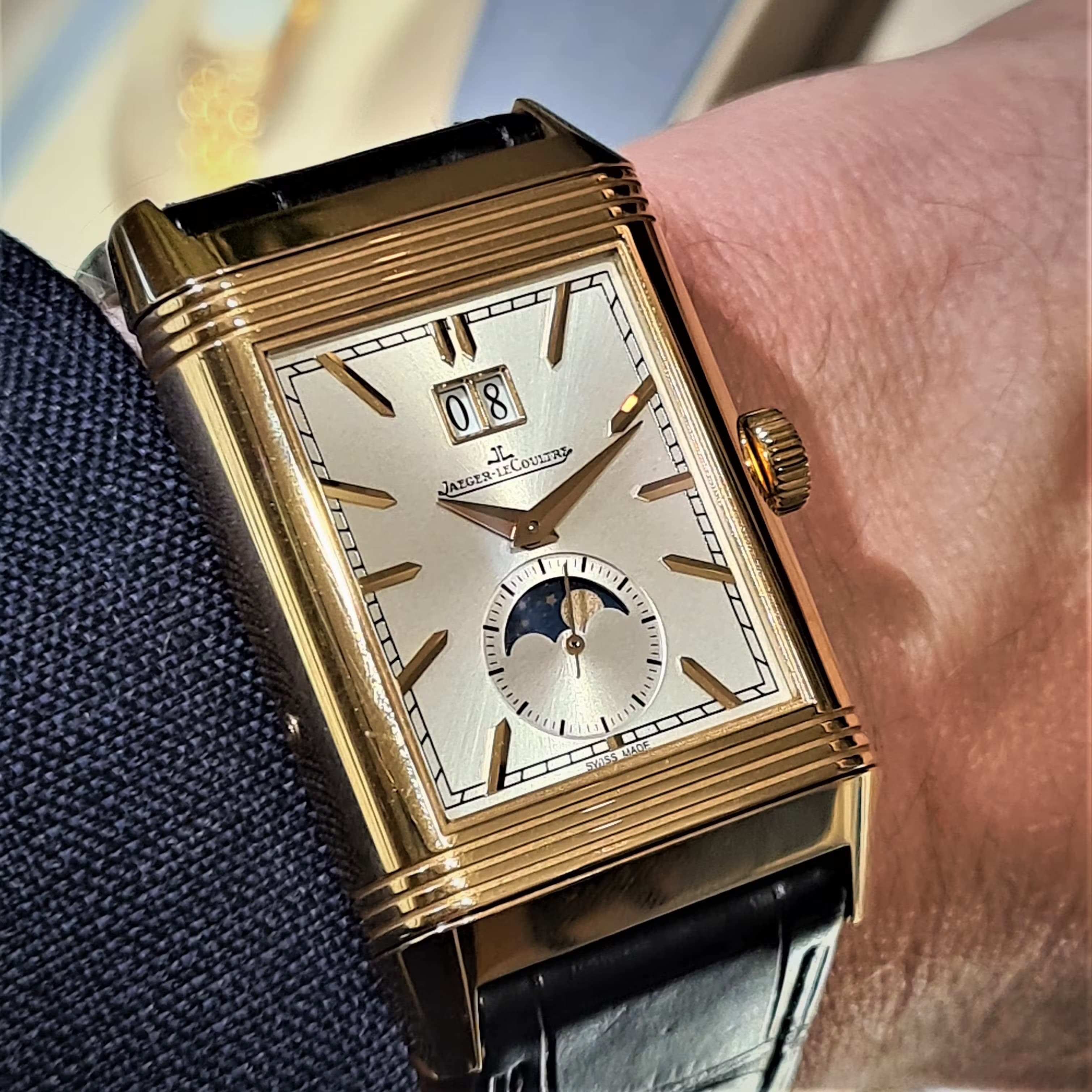
Before the 1950s, the standard position was different. Watch adverts through the 1920s and 30s tended to show 8:20 instead, according to Andrew Adam Newman's 2008 report in the New York Times. This is the piece that most later writing on this subject, including the academic study we speak about below, traces back to. Newman reports that Hamilton switched to 10:10 in its own advertising as early as 1926, with Rolex following in the 1940s and Timex's Marlin doing the same by 1953. By the 1950s and 60s, the rest of the industry had done the same. It’s worth mentioning that those specific brand dates trace back to that single 2008 report rather than several independent accounts.
What the research found
The more interesting question is why 10:10 took hold at all. In 2017, researchers Ahmed Karim, Britta Lützenkirchen, Eman Khedr and Radwa Khalil published a study in the peer-reviewed journal Frontiers in Psychology, titled "Why Is 10 Past 10 the Default Setting for Clocks and Watches in Advertisements?"
Participants were shown watches set to three different times: 10:10, 11:30 and 8:20. For each one, they rated how much pleasure the image gave them, then how likely they'd be to buy it. Watches set to 10:10 produced higher pleasure ratings than both other settings. A second experiment asked people directly whether each time setting looked more like a smiling or a frowning face. They consistently read 10:10 as a smile and 8:20 as a frown.
The findings on how likely people were to buy it are a little more complicated than they're often given credit for. Watches set to 10:10 produced a significantly higher intention to buy than the neutral 11:30 setting. Against 8:20, the same trend appeared. People leaned toward preferring 10:10, but the result fell just short of statistical significance. So, it's fair to say 10:10 outperforms an awkward or random time. Whether it beats 8:20 specifically on actual purchase intent is a real trend in the data rather than a proven fact.
A different explanation from someone who designs watches for a living
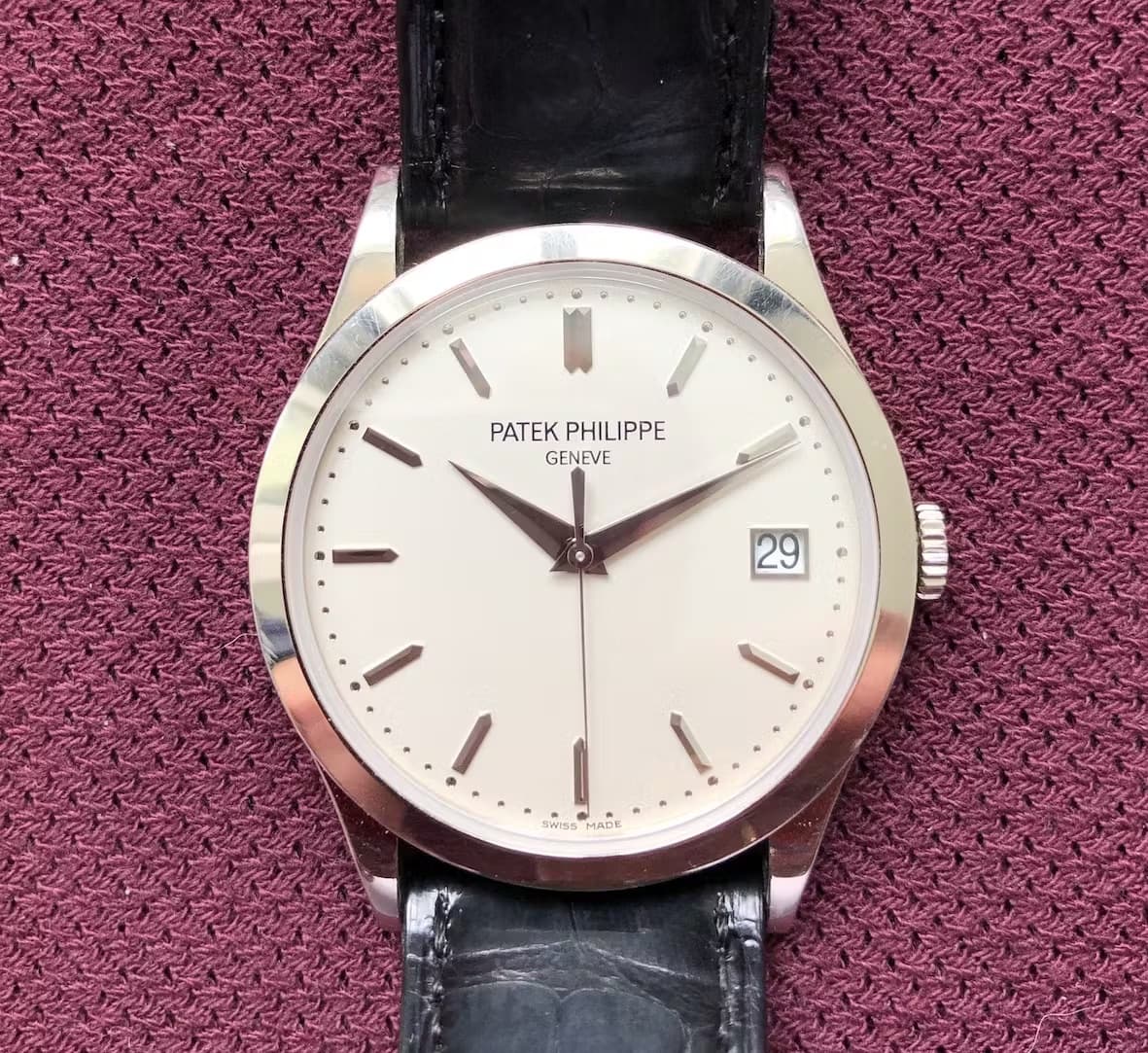
Not everyone in the industry buys the smile theory. Giorgio Galli, design director for Timex, told NPR in 2014 that for him the reasoning has nothing to do with faces at all. His words: "For me, it's just the best way to see the entire look of the dial in the best way." For Galli it's a matter of symmetry since both hands sit clear of the branding at 12, and the whole dial reads cleanly at a single glance. Galli also said something we found interesting: before he even knew 10:10 was an industry standard, it was the position he reached for instinctively when designing a dial.
Even Karim and his co-authors don't treat the smiling-face idea as the final word. In their own discussion of the results, they raise a genuine alternative that it might not be a face people are responding to at all, just a line curving upward. A concave shape, like a smile, might simply read as more positive than a straight or downward one, whether or not it resembles anything human.
That alternative has its own evidence behind it. A separate study by Alejandro Salgado-Montejo and colleagues, published in Psychology & Marketing in 2015, tested the same idea on packaging for tea, shampoo and juice. It was run twice, once in the UK and once in Colombia, and the results were consistent both times. People rated the version with a curved, smile-like line more positively than the one with a downward curve, across each product that was tested. If that effect holds regardless of category, the reason 10:10 works might be less about watches specifically and more about a much simpler visual habit. We seem to like things that curve upward wherever we happen to find them.
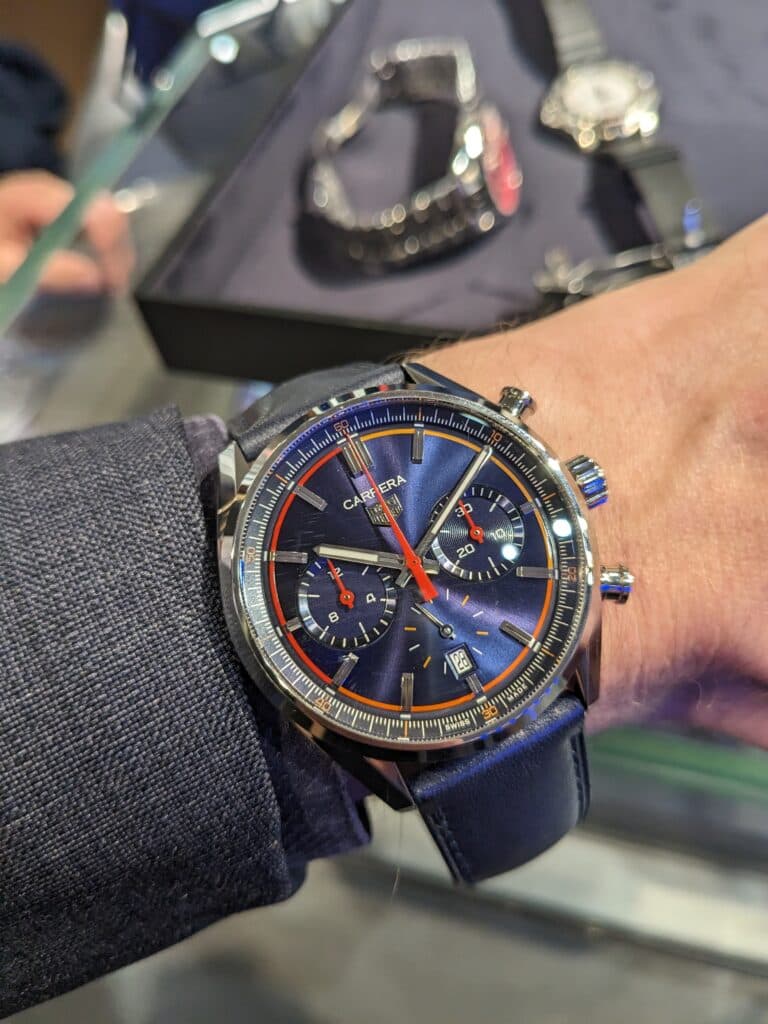
The bigger picture
If we step back from 10:10 itself, a wider pattern starts to show. Photography and advertising, almost from the moment watch adverts became a serious business, have shaped decisions in the watch itself. This hand position was just the first example, and it's far from the only one, take a look at our piece on why watch dials look so different from one another for more on how much thought goes into that face you're looking at. A watch that photographs badly doesn't sell as well, so watches evolved to photograph well.
These days that same pressure plays out on Instagram. Fratello Watches has written about how differently brands now approach their own Instagram accounts compared to a traditional print catalogue, and separately about how Instagram's influence can shift what a person decides to buy next. BQ Watches makes a similar point from more of the brand side, watch photography used to mean tightly controlled studio shots of the movement and dial. Now it consists of wrist-rolls, watches caught in mid-motion, natural light instead of a lightbox, because that's what actually performs on a phone screen.
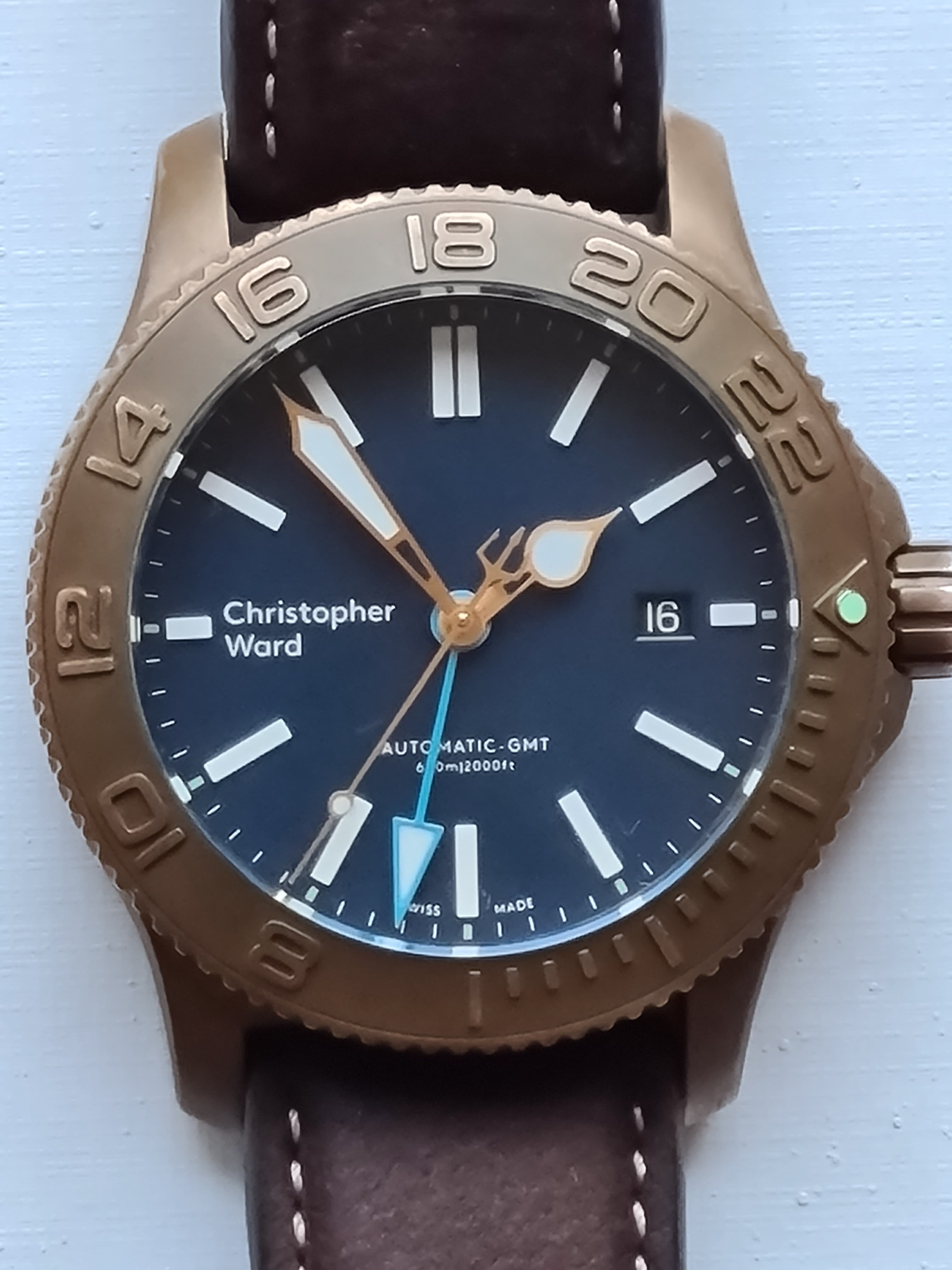
If any of this has you looking a bit more closely at how you photograph your own watches, come and put it into practice at our first ever Watches in Focus Photography Lab on Saturday 10th October in Shoreditch, a full day with professional photographers, open to anyone from complete beginners to those who already know their way around a camera.


Subscribe to newsletter
Subscribe to receive the latest blog posts to your inbox every week.
By subscribing you agree to with our Privacy Policy.
Continue exploring
Dive into more content from The Watch Collectors Club.