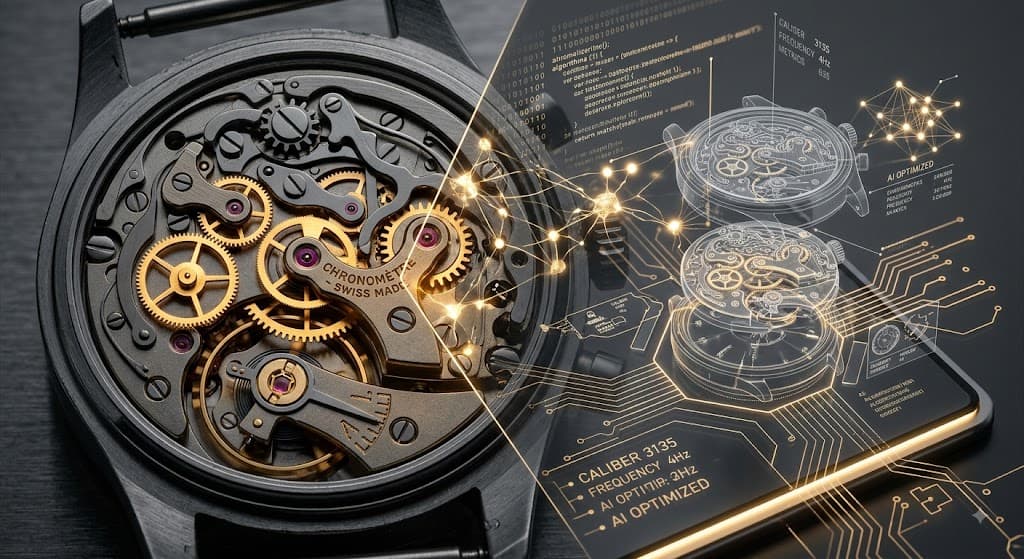
The watch industry is a conservative place and change happens slowly, but the use of AI is starting to show in more and more places. Club-Founder Hamish has been experimenting with the AI Platform Claude from Anthropic, and recently used it to build a database of 1400 Microbrands who might be interested in exhibiting at our watch shows. This astonishing result shows how powerful these tools can be. We'll talk more about our use of AI later on, but first there are some obvious technology leaders in the watch space that most people are aware of - the pre-owned sales platforms.
Big Platforms = Big Data
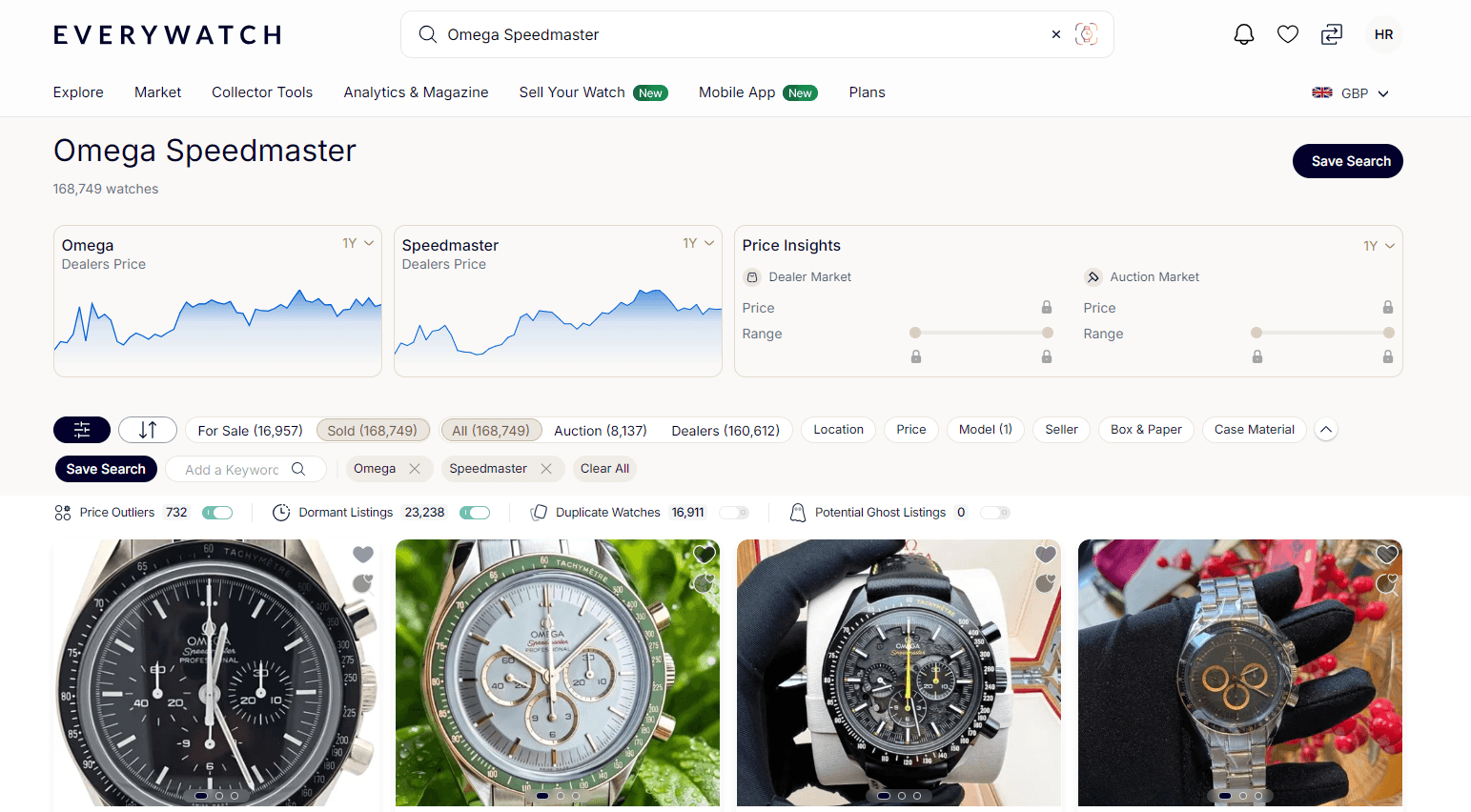
There are some big platforms out there full of incredible information about watches. Chrono24 is the largest platform for pre-owned watches for sale. You can find watches for sale by shops and dealers around the world and you can directly list your own items to sell. It's invested in a lot of tools so that you can find data, track watches and so on. Everywatch is another platform that takes this even further with a huge focus on data rather than buying and selling watches. It's very helpful for those looking for rare pieces or wanting to track the price history of certain models of watch. Seeing price history data for a popular reference from confirmed sales with highs, lows and average information is hugely beneficial for those looking to get comfortable buying an expensive new watch, and it's got AI powered data collection and analysis underpinning it all.
The investment bank Morgan Stanley and a consultancy called Luxe Consult in Switzerland create a quarterly report on the state of the industry, looking at things such as how many watches the brands sell and at what price, looking at exports and regional data, and running analysis on all the data they create. The Report is now eagerly anticipated by the industry, collectors and enthusiasts alike.
Emerging Projects
Just in the last couple of months we're now seeing the emergence of a new type of AI use in the industry; independent blog writers and content creators are starting to do their own data projects. These are people who are genuinely passionate about the area of the industry that they collect in, whether it's brands from a certain country or historic or vintage brands, and they're using AI tools in sophisticated ways to improve their information sources, analyse the parts of the industry that they're most interested in, and share that information with others in the community.
For example, the annual GPHG awards will take place in November in Geneva. These are sometimes referred to as the Oscars of the industry - the only global awards that watch enthusiasts could look at to see which watches of the year have been judged most remarkable. In the last few weeks, the long list for the awards has been published and various journalists have made traditional comments highlighting the models etc, the brands that are taking part, and their favourite watches from the line-up.
Independent writer Freesprung, who publishes on the newsletter platform Substack, has tackled the data in a different way. They've looked at the 25-year history of the competition and used AI to analyse it for various trends. For a bit of fun, they've even gone so far as to use the AI to make predictions about what the jury will choose as winners this year.
As founder of the Watch Collector's Club, people email me about interesting projects all the time.
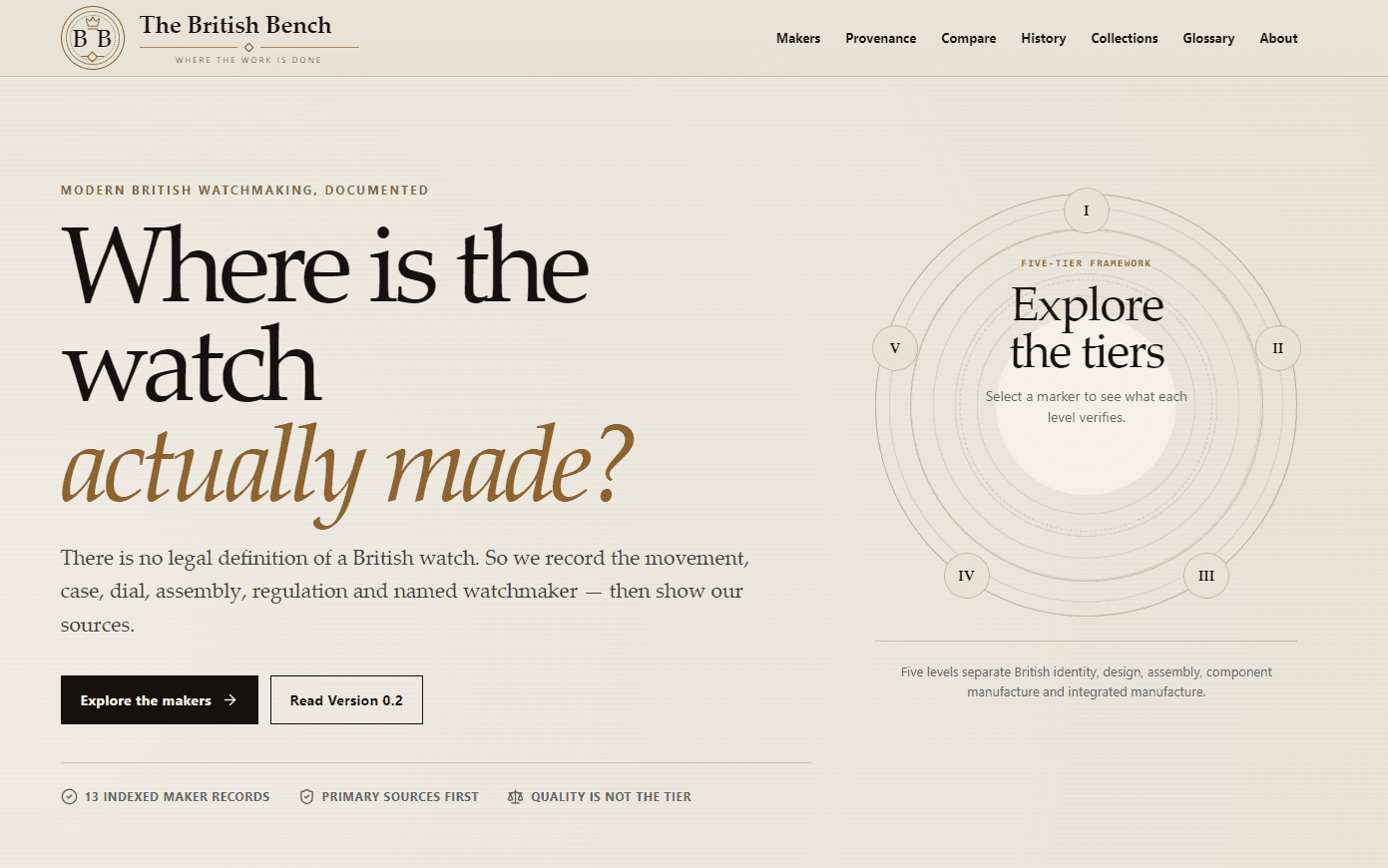
Recently, one called The British Bench caught my eye. It's being built by someone who wants to look at what we can know about the different levels of manufacturing that a brand does directly. A brand might do all of the design themselves, and outsource all of the manufacturer assembly, testing and delivery to another party. This is a fairly common arrangement in the watch world. It allows a brand that founder that's based in Britain or America or Germany to make a Swiss Made watch. Or in the Microbrand world, they could do the same and have it all done in China.
On the flip side, there are some brands in the UK, Germany, America, or Japan that make as much of the watch themselves as possible. They pride themselves on having locally sourced components, manufacturing and assembly, despite those countries not being hubs of the watchmaking industry. The British Bench is a platform to examine these differences for British Brands. Its creator believes that that's what watch enthusiasts and buyers want to know and he's working hard with AI to build a database and present that information clearly on a website. He's crowdfunding for this project now here.
Another project is all about creating a detailed report about a specific watch. The idea is to arm you with information so that when you go and talk to dealers you know what questions to ask. It can analyse a specific listing, it can bring up red flags and even score the listing overall including the condition and advertised price of the watch. This project is very interesting, and while it is not yet a finished project, can already provide a lot of help to someone looking to add a new timepiece to their collection.
How The Watch Collectors' Club are using AI
So far, The Watch Collectors' Club are using AI primarily to help do boring tasks. For example, we use Zapier, an automation service that connects different software tools, to connect our ticket buying data to our marketing database. We use AI to help keep our content aligned with our brand voice, and plan marketing campaigns for our shows. It's proven very helpful in building databases of brands around the world to invite to our shows in future years. We even created a detailed Google map overlay to help plan our future Experiences in Switzerland, to help us make the most of our time while we're there. We're excited find ways to use AI to boost our effectiveness so that we can spend more time focussing on creating great new Events - for example our upcoming Watch Photography Day in October or Experience to Glashutte in Germany.
Conclusion
We're excited to see how AI can be used to help collectors and enthusiasts enjoy their hobby more. Whether that's buying pre-owned watches more safely, easier deep dives into historical information, or something more radical, we're keen to see the new tools being built. There are many other things going on we've not had the space to mention here, and we always invite approaches to see if we can help or there might be a benefit to a future partnership. At the moment, we don't endorse any particular tool or platform, but are happy to hear about them; if you're working on something or would like to talk to use about an idea, please get in touch!


Subscribe to newsletter
Subscribe to receive the latest blog posts to your inbox every week.
By subscribing you agree to with our Privacy Policy.
Continue exploring
Dive into more content from The Watch Collectors Club.