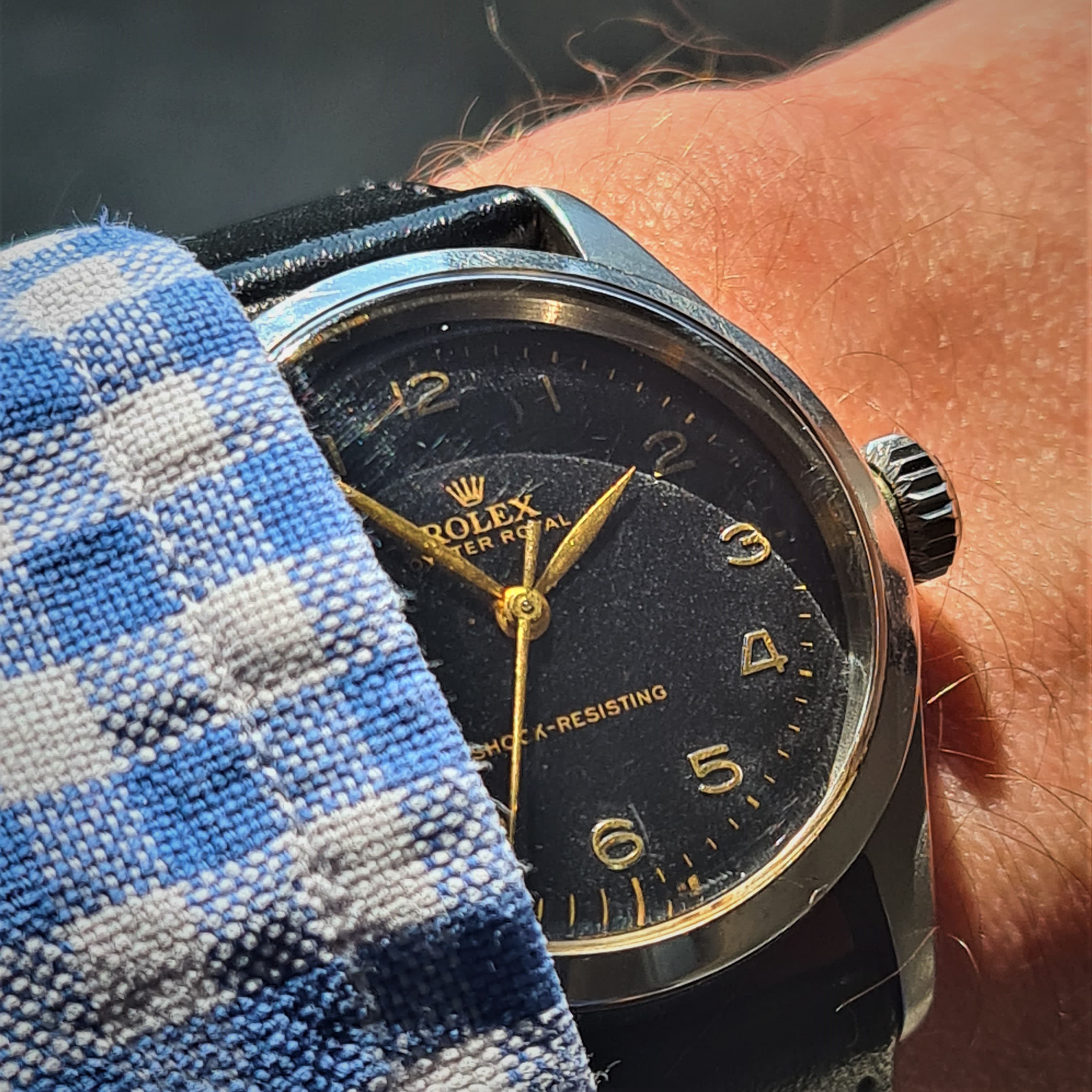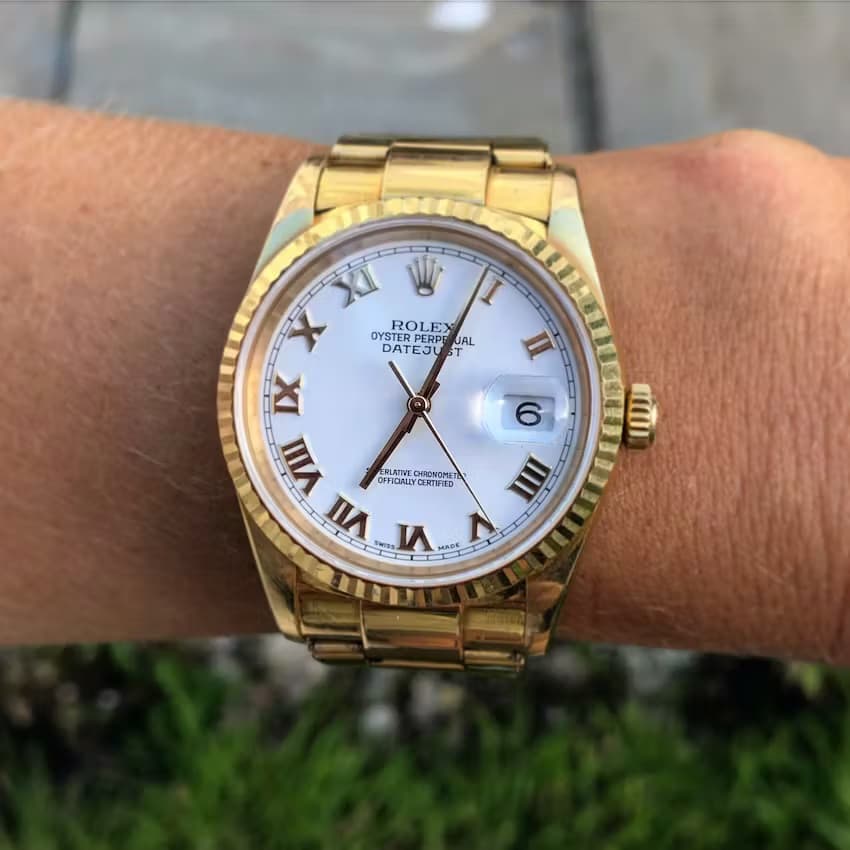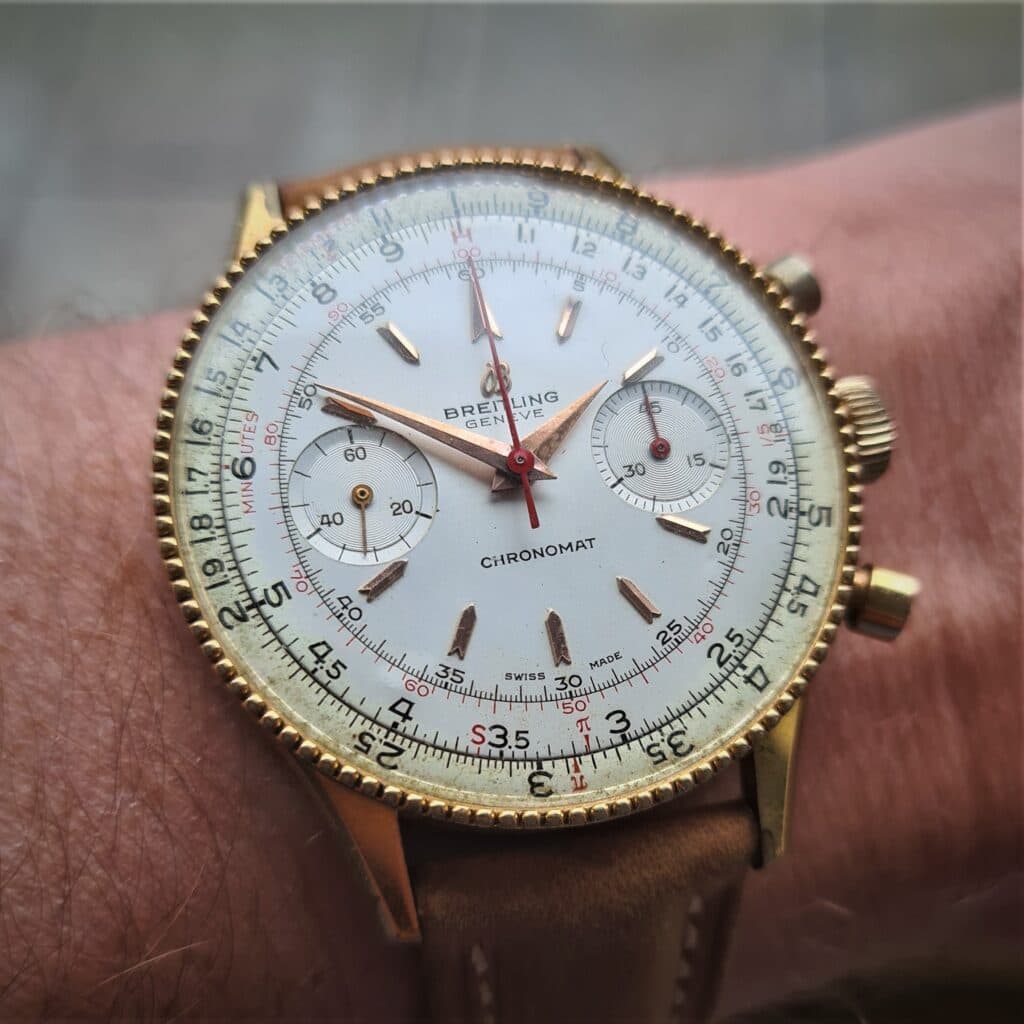
Across the UK, a growing number of high‑net‑worth individuals have built serious and highly curated collections of luxury wristwatches. From military-issued tool watches and professional diving instruments to rare stone‑dials, Rolex Day‑Dates with Stella‑dial references, these collections represent far more than financial assets. They embody technical innovation, exploration, service history and design heritage — and increasingly, cultural significance.
The Rise of the Serious Watch Collector
Watch collecting has evolved well beyond casual ownership. Collectors now focus on coherent themes: military watches issued to armed forces; diving and exploration watches developed for extreme environments; early chronographs linked to aviation and motorsport; or highly specific reference‑based collections such as Rolex Day‑Dates featuring stone dials (onyx, lapis lazuli, malachite) or the famously vibrant Stella dials.
These collections are often assembled over decades, guided by deep scholarship and connoisseurship. A well‑curated group of watches can tell a powerful story — whether of wartime service, underwater exploration, scientific progress, or the evolution of luxury watchmaking itself.
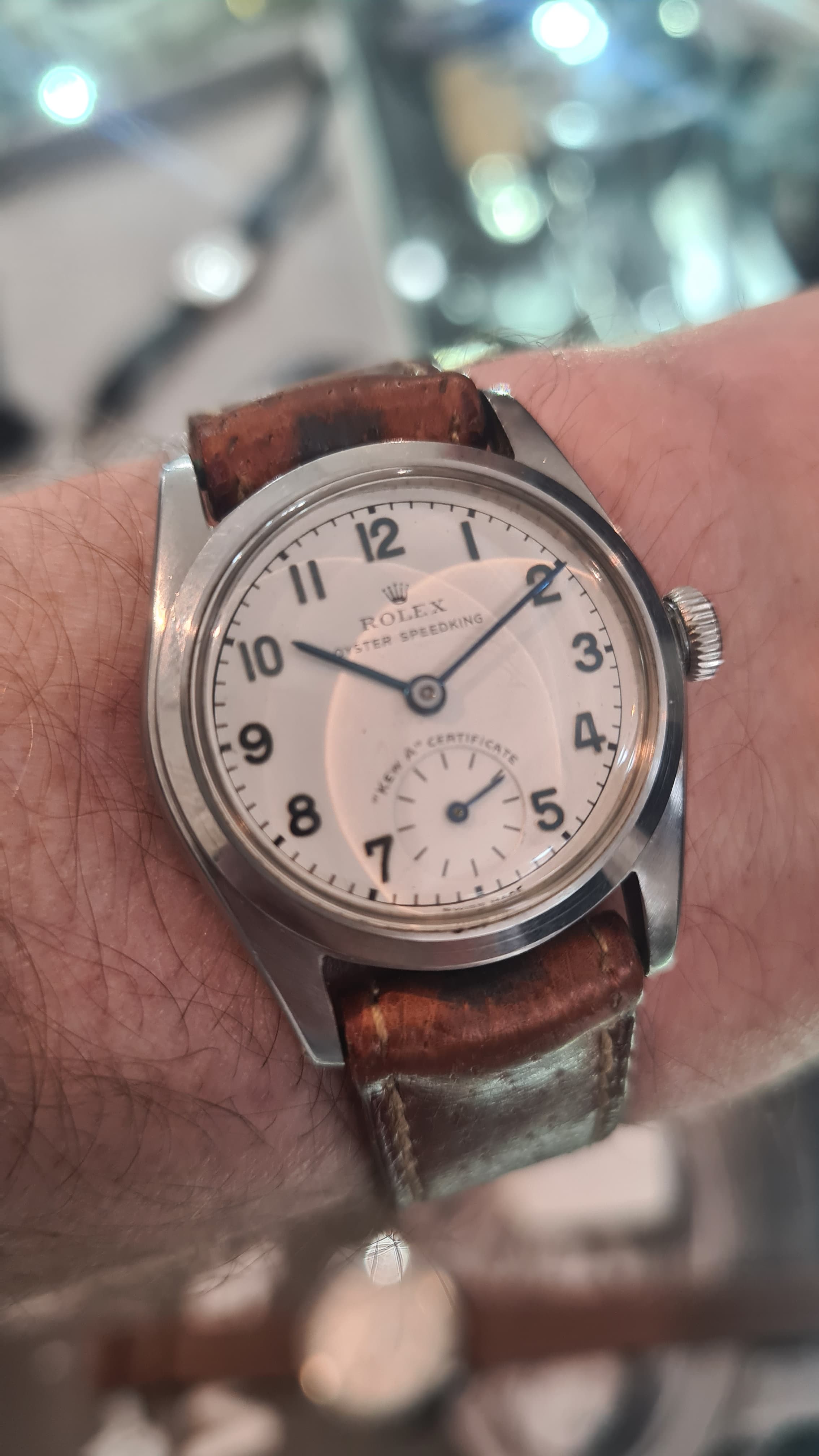
Collectible watches offer a tangible connection to history. A military‑issued chronograph worn by service personnel, a diver’s watch designed for saturation diving, or an exploration watch built to withstand polar conditions carries with it a physical record of human endeavour. For many collectors, the appeal lies as much in engineering and provenance as in aesthetics. Movements, cases, dials and reference variations are studied with the same rigour applied to fine art or historic artefacts.
In the UK, Inheritance Tax (IHT) can be charged at up to 40% on estates exceeding the nil‑rate band. High‑value watch collections are fully within the scope of IHT unless appropriate planning is undertaken. Without foresight, executors may be forced to sell historically or sentimentally important watches to fund the tax liability, fragmenting carefully built collections.
But for collectors who view their watches as a legacy rather than merely an investment, this raises an important question: can a significant watch collection be preserved intact while managing the IHT exposure?
The Conditional Exemption Scheme: A Tool for Important Watch Collections
UK tax legislation recognises that certain objects — including collections of watches — can be of pre‑eminent national, historic, artistic or scientific importance. Sections 30–35 of the Inheritance Tax Act 1984 provide for Conditional Exemption from IHT where such assets are preserved and made accessible to the public.
Where Conditional Exemption applies, the IHT charge is deferred rather than extinguished, provided formal undertakings to HMRC are maintained. Importantly, legal ownership can be retained by the collector during their lifetime and by heirs thereafter.
To qualify under sections 30–35 IHTA 1984, the collection must:
Be of pre‑eminent importance due to its historic, artistic, scientific or national interest.
Be retained in the United Kingdom.
Be preserved, conserved and insured to an appropriate standard.
Be made available to the public at reasonable times — commonly achieved through museum loans, curated exhibitions, or structured access for study, typically equating to around 28 days per year or otherwise to HMRC’s reasonable satisfaction.
A claim must normally be made within two years of the chargeable event, and binding undertakings must be given. If these are breached — for example by sale, export, or withdrawal of public access — the deferred IHT becomes payable.

The Acceptance in Lieu (AIL) Scheme and Watches
As an alternative, culturally significant watches or collections may be transferred to the nation under the Acceptance in Lieu (AIL) scheme, enabling IHT to be settled through the transfer of assets rather than cash. This route may suit families who do not wish to retain ownership but want to see important watches preserved in public collections.
The AIL scheme often delivers a more favourable effective outcome due to the associated tax saving (the ‘douceur’) and ensures that historically important watches are retained within the UK for public benefit.
Benefits Beyond Tax: Scholarship, Preservation and Legacy
Making a significant watch collection accessible can offer benefits beyond tax efficiency. Museum partnerships and institutional loans can improve long‑term conservation, reduce insurance and security burdens, and enhance provenance through scholarly cataloguing. Public access also elevates a private collection into a recognised contribution to horological history — allowing future collectors, researchers and enthusiasts to study watches that might otherwise remain unseen.

Work with The Watch Collectors' Club to present your collection
If you have a carefully curated collection that you think may be of interest to the watch community and wider public, we'd love to hear from you. Starting in 2027 we aim to hold exhibitions in the UK of important and interesting collections across a variety of themes, allowing enthusiasts of all kinds to appreciate the work and scholarship that's gone into building the collection and ensuring the watches are looked after. Please get in touch if you think your collection may be of interest and therefore potentially qualify for Conditional Exemption for inheritance tax purposes, as mentioned above.
Conclusion
With careful planning using mechanisms such as Conditional Exemption under sections 30–35 IHTA 1984, Acceptance in Lieu, and long‑term institutional partnerships, collectors can ensure that exceptional watch collections — whether military, diving, exploration or rare‑dial reference‑based — survive intact and appreciated for generations to come.
Thank-you to Jason Saliba for this article. He can be found at Michael George & Associates.
“This article provides general guidance only and does not constitute tax advice. Each collection and estate is unique, and professional advice should always be sought before taking action. Errors in tax planning can result in unnecessary tax liabilities, penalties or interest. You should consult your own adviser or contact Jason Saliba at Michael George & Associates, Esher, Surrey, UK."


Subscribe to newsletter
Subscribe to receive the latest blog posts to your inbox every week.
By subscribing you agree to with our Privacy Policy.
Continue exploring
Dive into more content from The Watch Collectors Club.