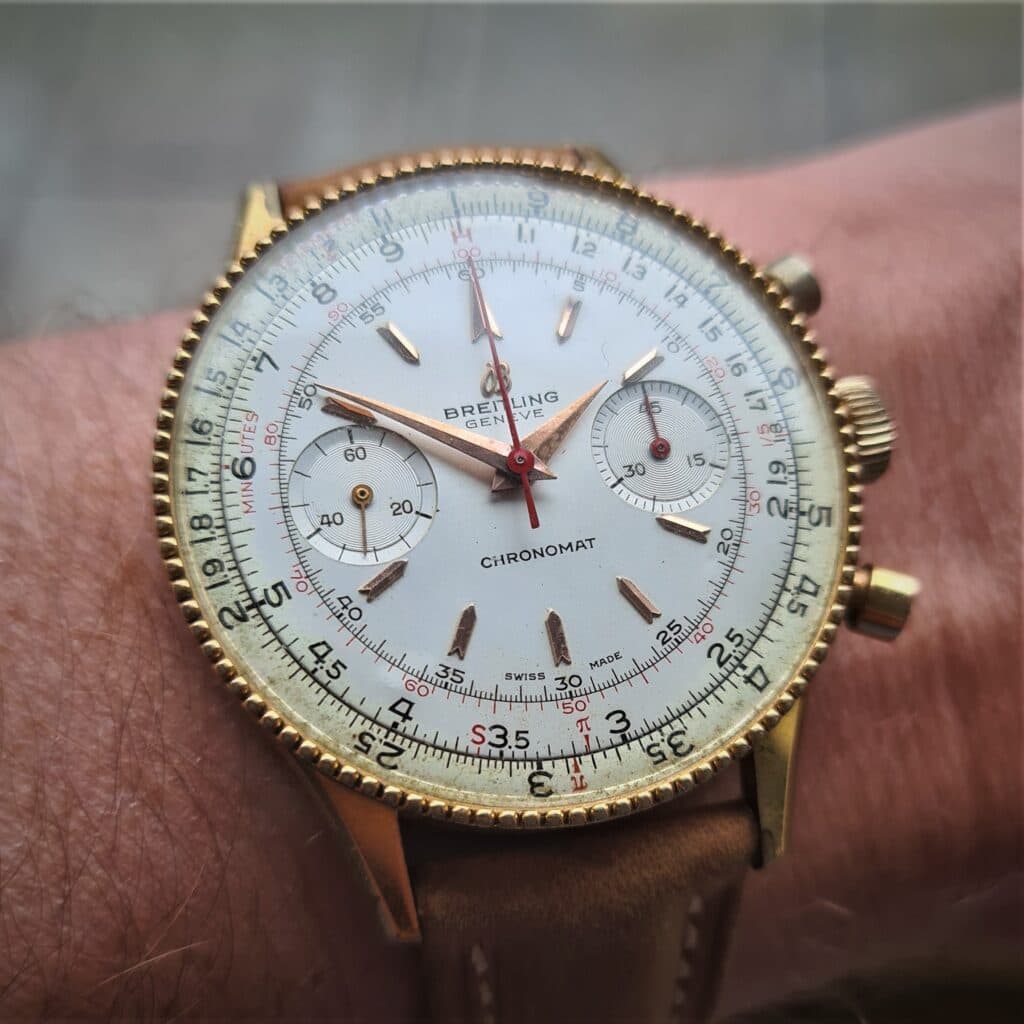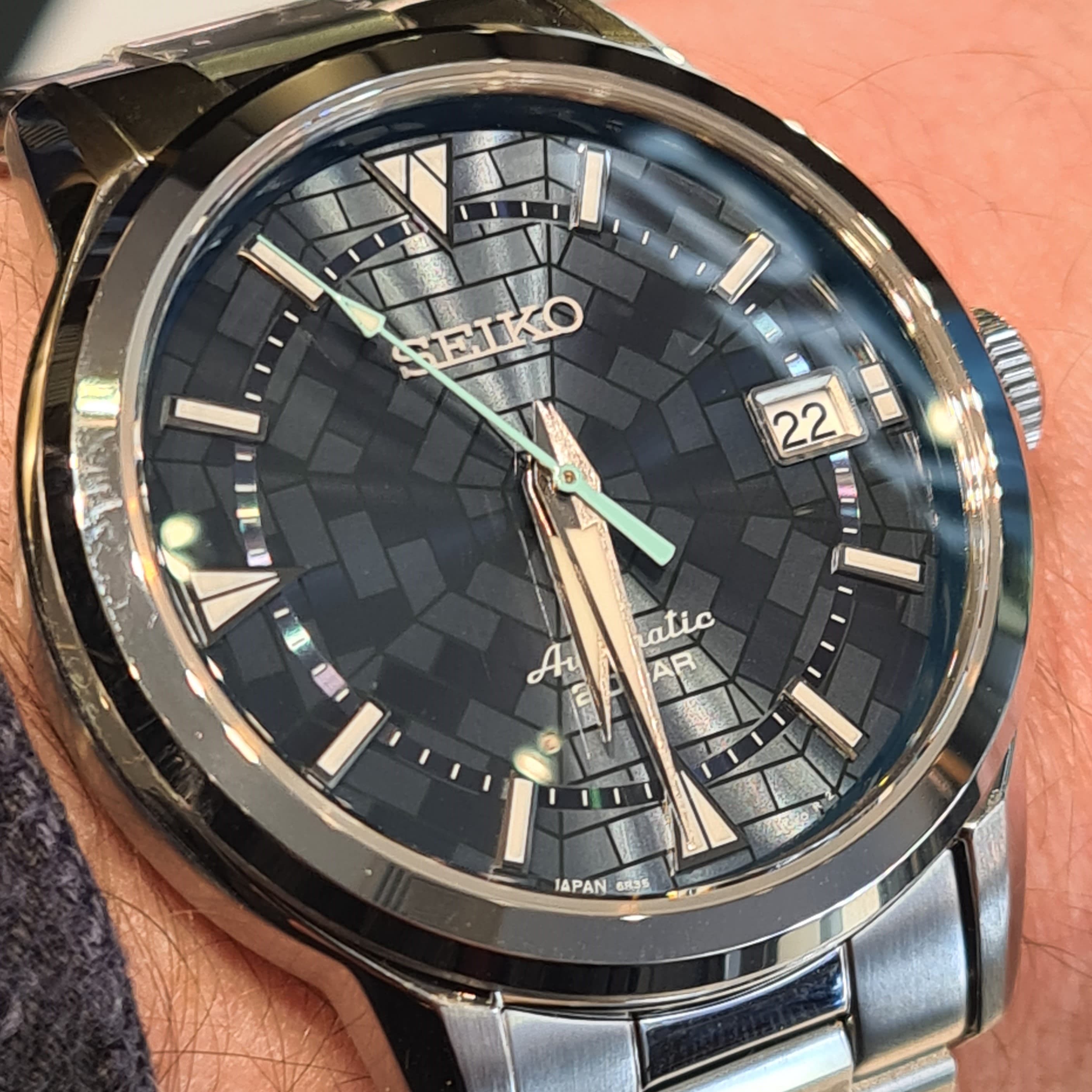
Limited edition watches are a genuine part of what makes this hobby exciting. They give brands room to experiment, create space for surprising collaborations, and give collectors something they know won't be available forever. Journalists occasionally grumble that there are too many of them, or that they're a marketing gimmick, but collectors and buyers love the idea that a watch they like is limited in production.
What "Limited Edition" Actually Means
A limited edition watch is one produced in a defined, finite number that the manufacturer communicates publicly. It's not a one-off commission or a bespoke piece. Most limited editions are individually numbered, and many collectors enjoy choosing a number that means something to them personally.
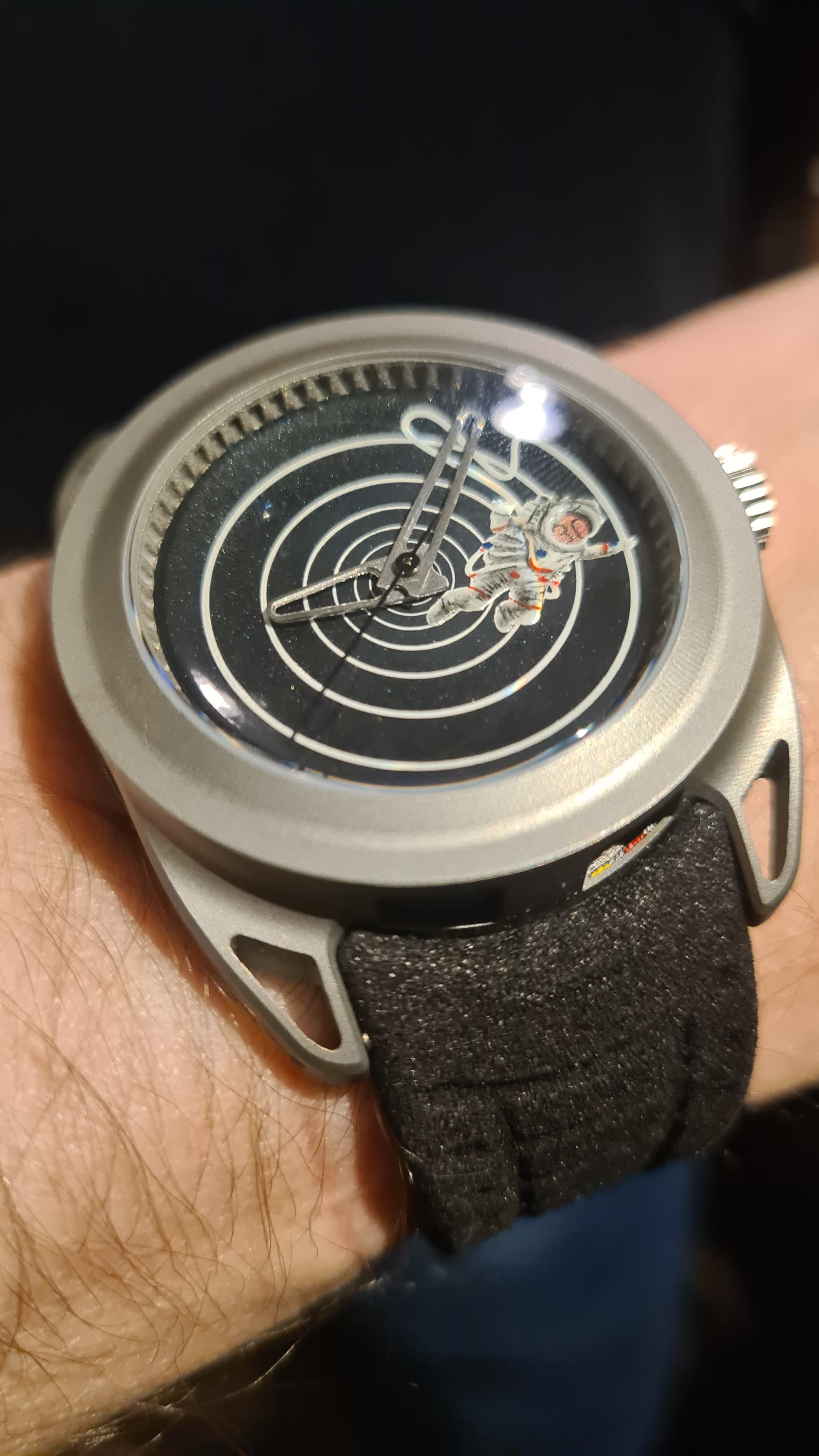
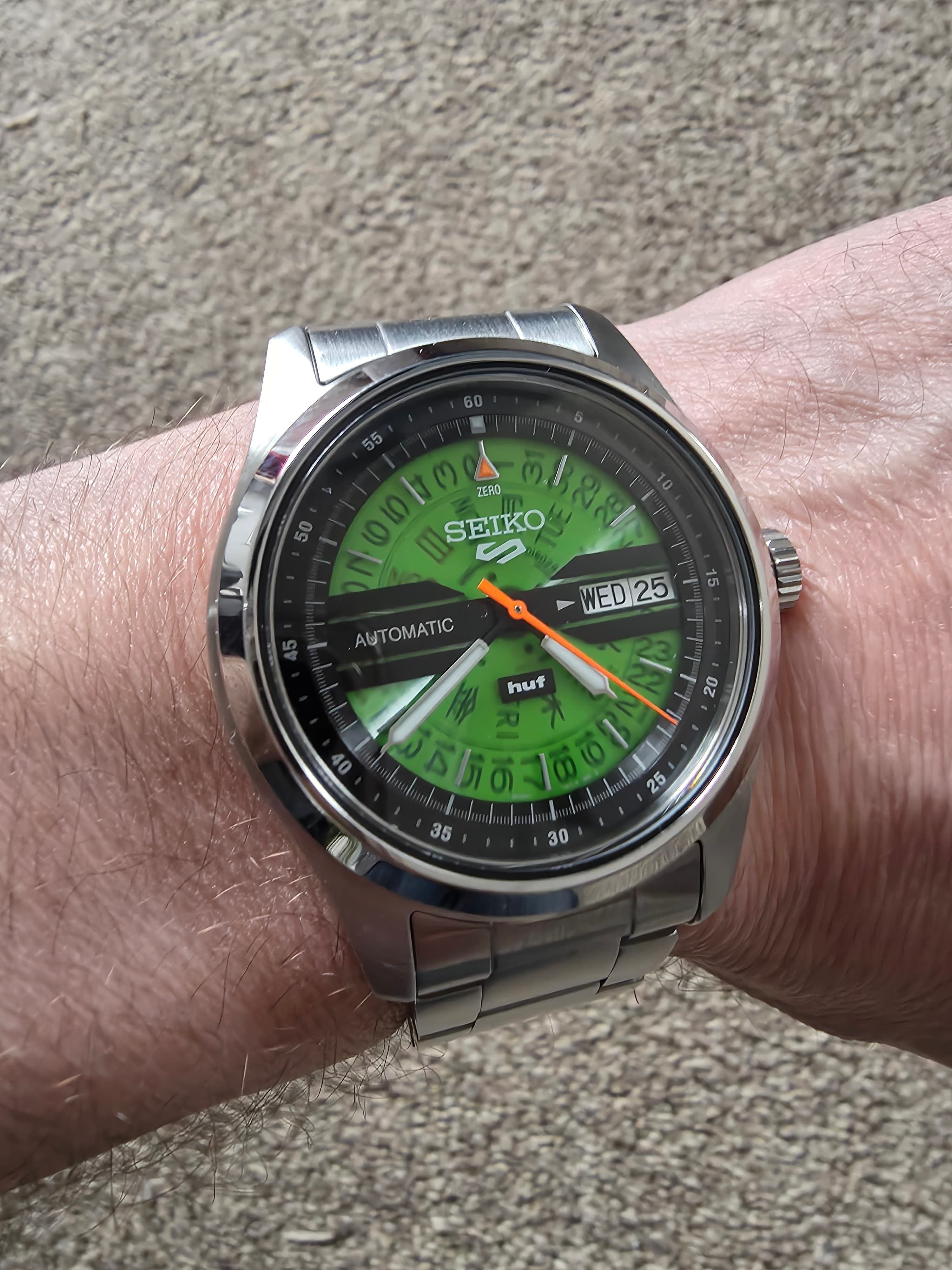
The size of that run varies enormously. In high horology — the highest tier of watchmaking — an edition might be limited to ten or twenty pieces. Microbrands (independent watch brands that typically operate online with small teams and focused ranges) might limit a debut model to 75. At the other end of the scale, Seiko regularly produces numbered editions running into the thousands. We recently picked up the Seiko x HUF collaboration — a streetwear brand tie-up limited to 7,000 pieces. We've previously added a Seiko Alpinist limited to 1,000 and one from British microbrand Isotope, limited to 75, to our collection. We bought all three because we liked them and the fact they're limited in number makes them feel more considered purchases.
Why Brands Make Limited Edition Watches
The simplest reason is to drive interest and a sense of urgency among their customers. But there are several more specific reasons worth understanding.
Testing unusual designs without the full risk
If a design is particularly radical compared to a brand's core range, a small limited run makes the experiment less risky. They might only need to sell 100 watches to make it viable. If it's popular, they can develop something similar for the permanent collection. New brands and microbrands often use this approach for exactly this reason — their early watches may be limited simply because production capacity is small, but framing them as a limited run generates interest and keeps costs and risk low.
Collaborations with other brands, designers, and figures
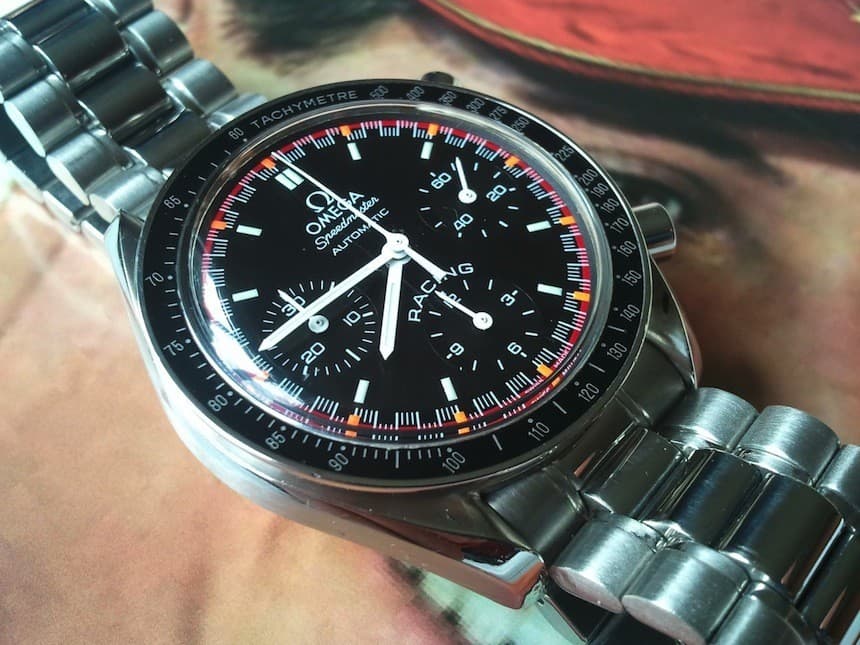
A limited edition is a natural vehicle for a collaboration. Brands partner with celebrities, ambassadors, clothing labels, designers, and even other watchmakers. We see it when Omega produces watches tied to the Olympic Games or the James Bond films, with licence fees paid for the right to use those connections. Casio's G-Shock and Seiko's 5 Sports lines run a high volume of collaborations every year across fashion, music, sport, and other industries. The right partnership can shift a brand's image and reach customers it wouldn't otherwise find.
Testing higher price points
If a popular watch in a limited colour or configuration sells faster than expected, that's useful information for a brand considering a price increase. Releasing limited editions at a premium is a low-risk way to test what the market will bear and gradually shift customer expectations about what these watches are worth.
Rewarding loyal customers
Established brands with a well-defined customer base sometimes make limited editions in direct collaboration with that community. That might mean working with a watch club for example we're working with Club Members to develop a watch this year, made to mark our 5th anniversary. Sometimes brands will make a Limited Edition and only sell it to their top collectors to reward them for their loyalty.
Are Limited Edition Watches Worth More Money?
Scarcity does increase value in the watch market — but a watch doesn't become valuable simply by being called a limited edition. It has to be desirable. Some limited editions land poorly and don't sell through their full run. Very large numbered editions are unlikely to command any meaningful premium. And almost all watches depreciate after purchase as sales taxes, servicing costs, and market conditions all play a role, and limited editions are no different in that respect. They may hold their value better than comparable standard models, or trade at a premium on the secondary market, but there's no guarantee of that.
Limited editions are one of the things that keep the watch world interesting — for buyers, for brands, and for anyone who follows what's being made. If you want to see them up close, our watch shows bring collectors, microbrands, and established names together in one room. It's a good place to handle pieces you'd never otherwise encounter.


Subscribe to newsletter
Subscribe to receive the latest blog posts to your inbox every week.
By subscribing you agree to with our Privacy Policy.
Continue exploring
Dive into more content from The Watch Collectors Club.