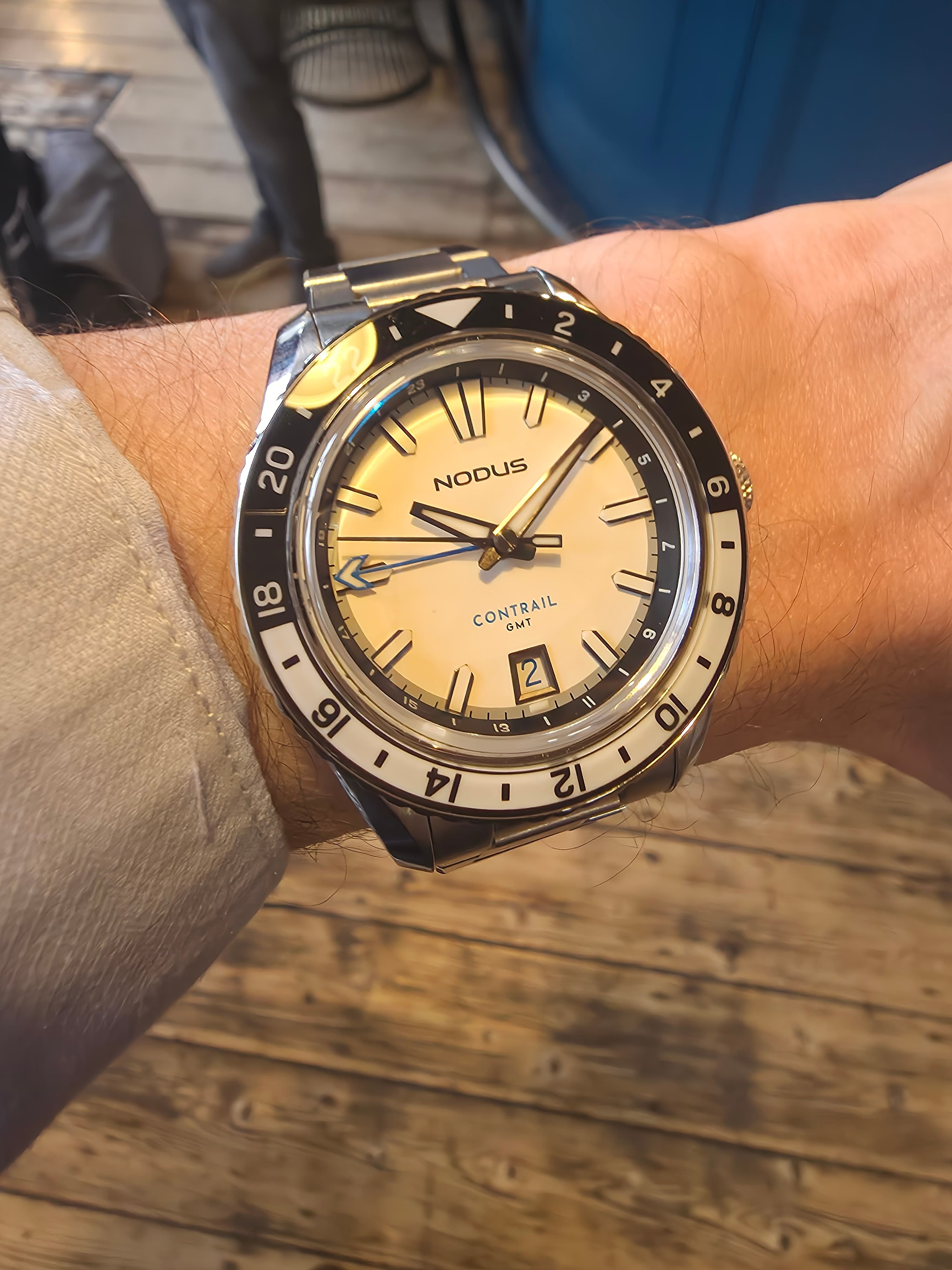
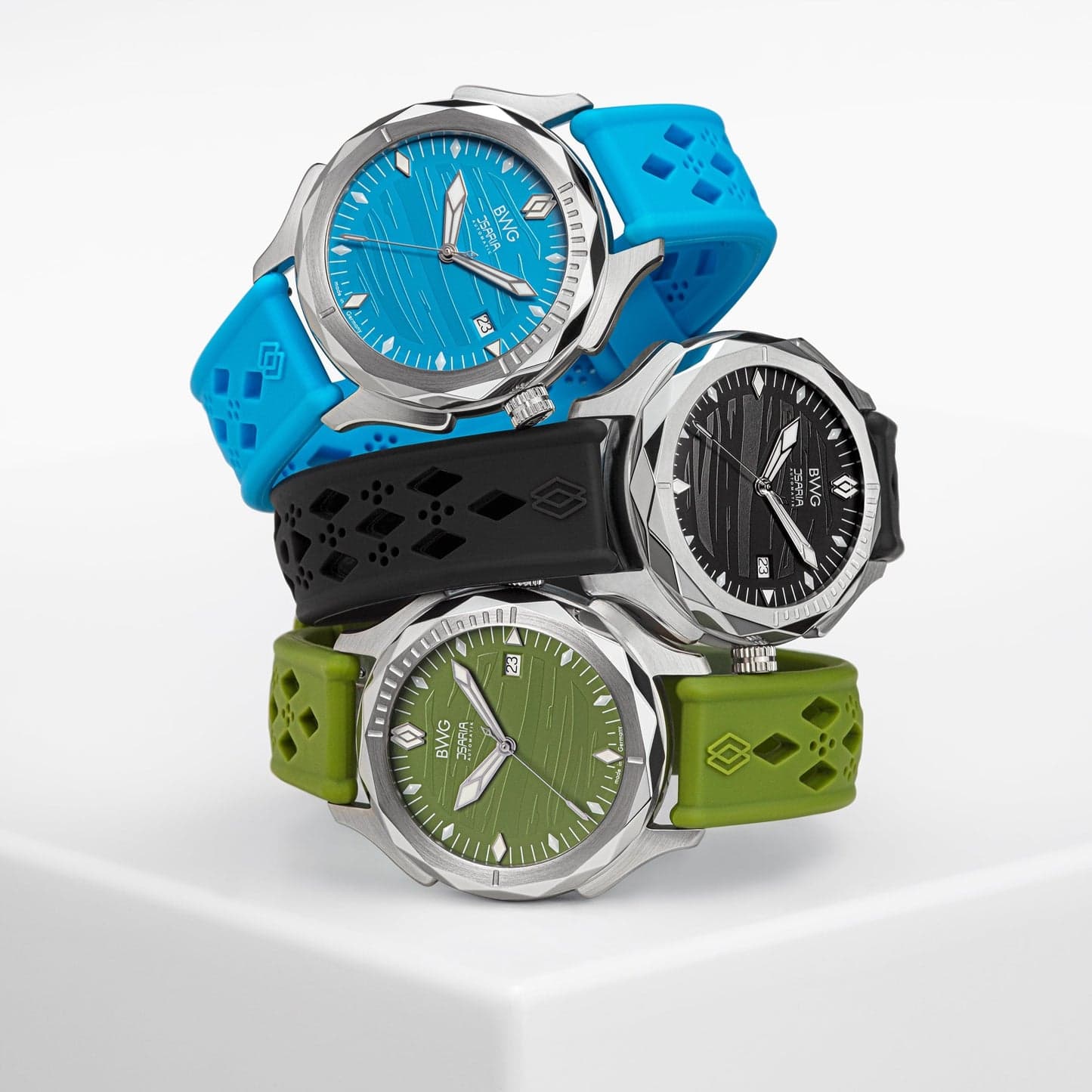
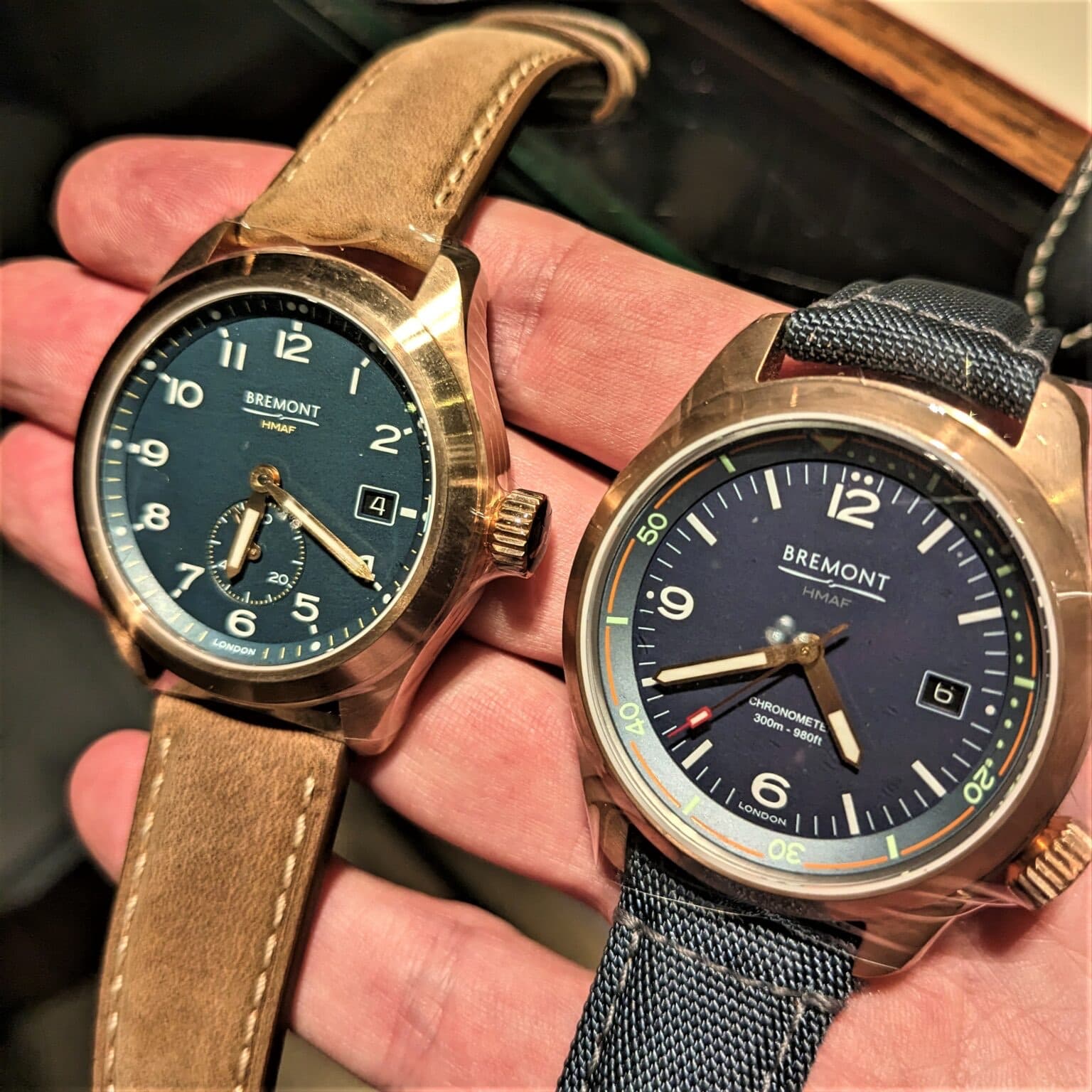
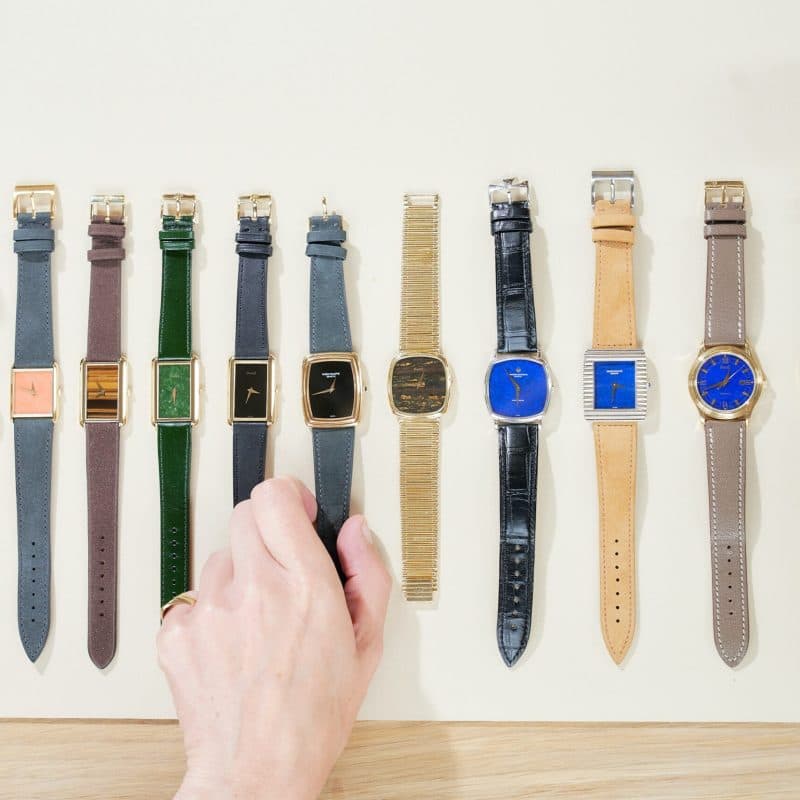
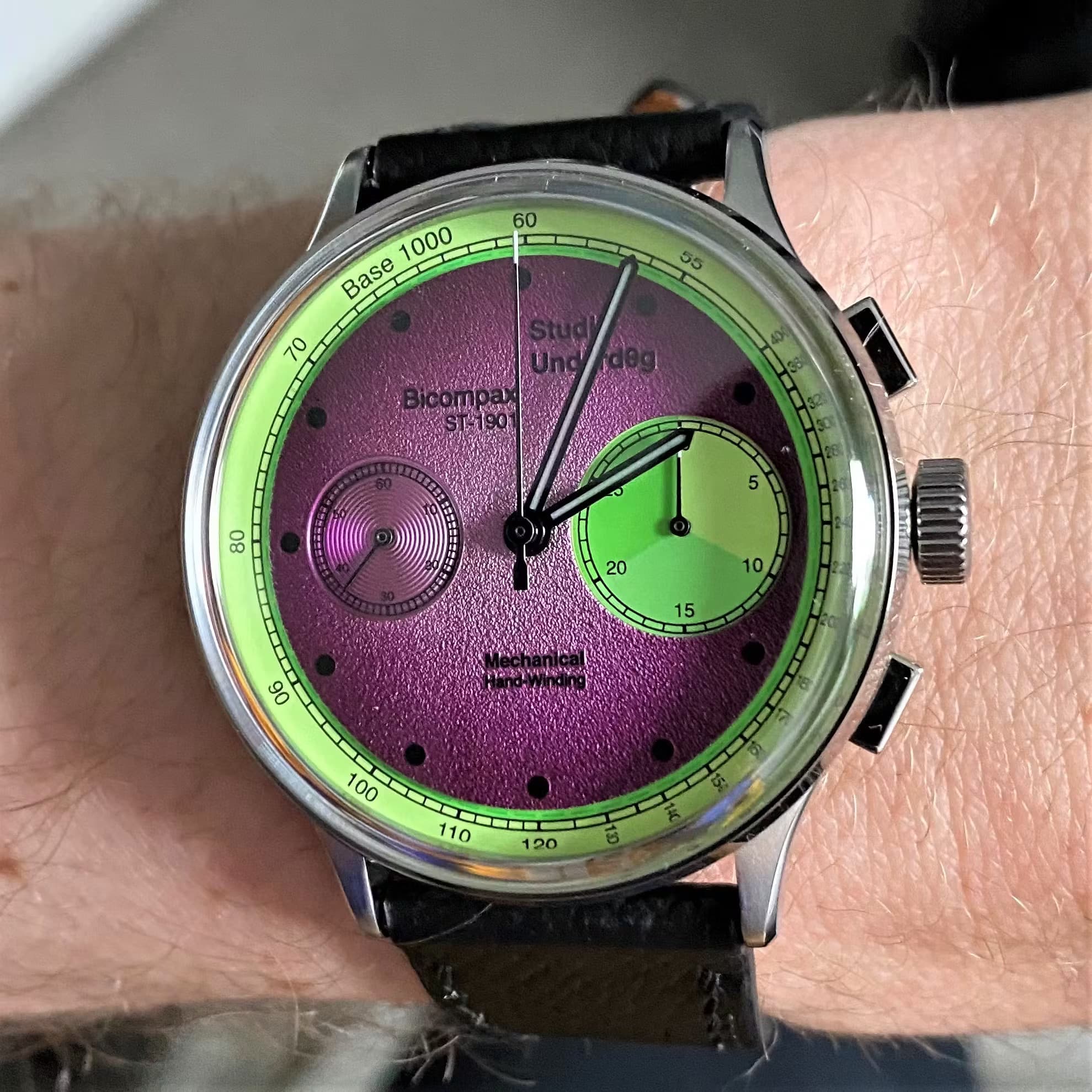
Microbrands are small, independent watch companies that sell almost entirely online, direct to the customer, without a traditional retail network. They are often started by one person with a strong design idea and a passion for watches. Many produce just a few hundred pieces at a time. Most cost under $1,000. And some of them are genuinely extraordinary.
This post is the first in a series. We also cover microbrands from the major watchmaking nations), microbrands from Asia and Scandinavia, the types of watches microbrands make, and a more recent look at the ongoing boom in new brands.
What Is A Microbrand
A microbrand is typically set up by one person who has a passion to create a new watch. They are not trying to compete with Rolex or Omega — they are trying to make something specific, interesting, and affordable. Some focus on a particular design style, such as vintage-inspired dress watches. Others focus on a function, such as a new dive watch or a pilot's chronograph. Many are inspired by a personal obsession with a particular era or reference.
The founder will usually publicise the whole creation process — sharing sketches, prototypes, and production decisions with their early supporters. Early buyers often give direct feedback to the designer. Some batches are so small that wearing one means joining a very small group of people worldwide who own it.
Examples of successful microbrands include Baltic, Fears, Undone, and Christopher Ward. All four started with a single design and grew from there.
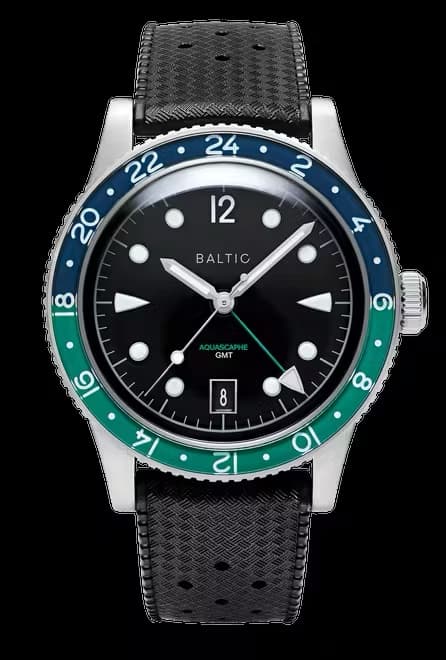 Baltic Aquascape
Why are Microbrand Watches Good Value?
Almost all microbrands price their watches under USD $1,000, and many are considerably cheaper than that. This is possible because of how they are made.
Rather than owning their own factories, microbrands source components from specialist suppliers around the world — cases from one manufacturer, movements from another, dials from a third. Assembly is often done by a small workshop, and the final quality checking is sometimes done by the founder personally. Because they sell direct online with no retail markups, the savings go into the watch rather than a shop's margin.
This also means variety. Each microbrand decides for itself which components to invest in. Some prioritise sapphire crystals (scratch-resistant, used in luxury watches) over cheaper mineral glass. Others put the budget into the movement, or the case finishing, or the dial. That decision is often what defines a brand's character.
The UK alone has a surprisingly large number of microbrands — a good reminder that interesting watches can come from anywhere.
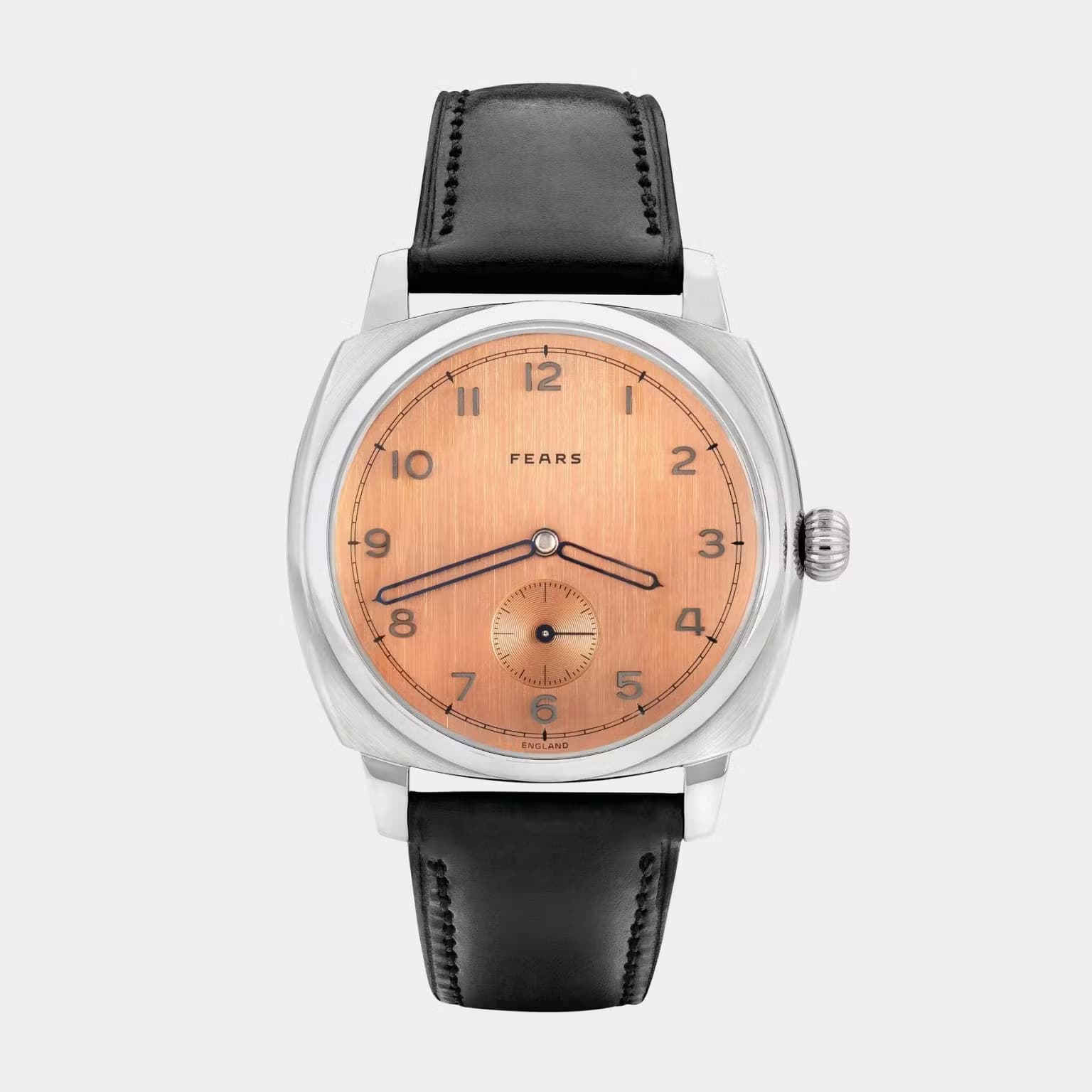 Fears Brunswick
Why Are There So Many Of Them?
The short answer is: Chinese manufacturing made it possible.
Over the last 30 years, China has become the dominant manufacturer of watch components and movements for the global industry. Japanese brands outsourced much of their lower-cost production there decades ago, and a large proportion of components used in Swiss watches are also made there. Today there are hundreds of suppliers a would-be watchmaker can approach — for cases, movements, dials, hands, crystals, straps — at very accessible prices.
This means that someone with a good design idea, a reasonable budget, and the time to manage suppliers can create a real watch. The barrier to entry that once protected the established industry has largely gone. That is good news for collectors. It is also why quality varies — not every microbrand produces a watch worth owning, and the best ones stand out because they have made smart choices about where to spend the money.
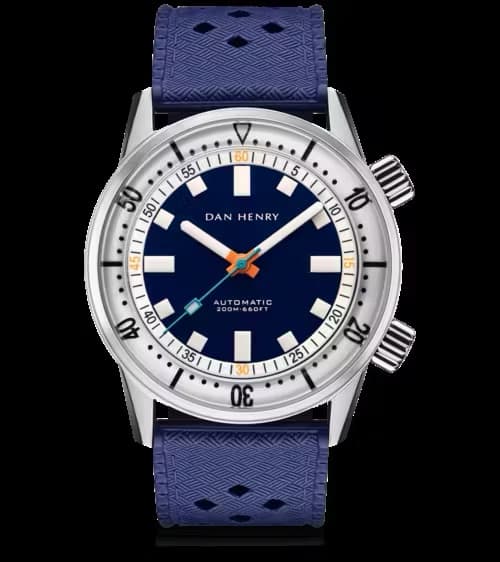 Dan Henry 1970 Automatic Diver
How To Buy A Microbrand Watch
Microbrands sell almost entirely online, and many launch new models through crowdfunding platforms like Kickstarter. This means there is usually a community around any brand worth buying from — forum threads, YouTube reviews, Instagram accounts — and you can do a great deal of research before parting with any money.
A simple way to start:
Search "watch microbrands" to get a sense of the landscape
Narrow by type — dive watch, field watch, dress watch, chronograph
Look for independent reviews, particularly on WatchUSeek forums and YouTube
Check the brand's social media to see how they communicate with customers
One thing worth remembering: these are small companies. Things can go wrong — production delays, sizing issues, a batch that doesn't quite hit the mark. The founder is usually reachable if something goes wrong, which is more than you can say for most watch brands. But go in knowing the risks. We have a full guide to buying a watch online if you want to know what to watch out for.
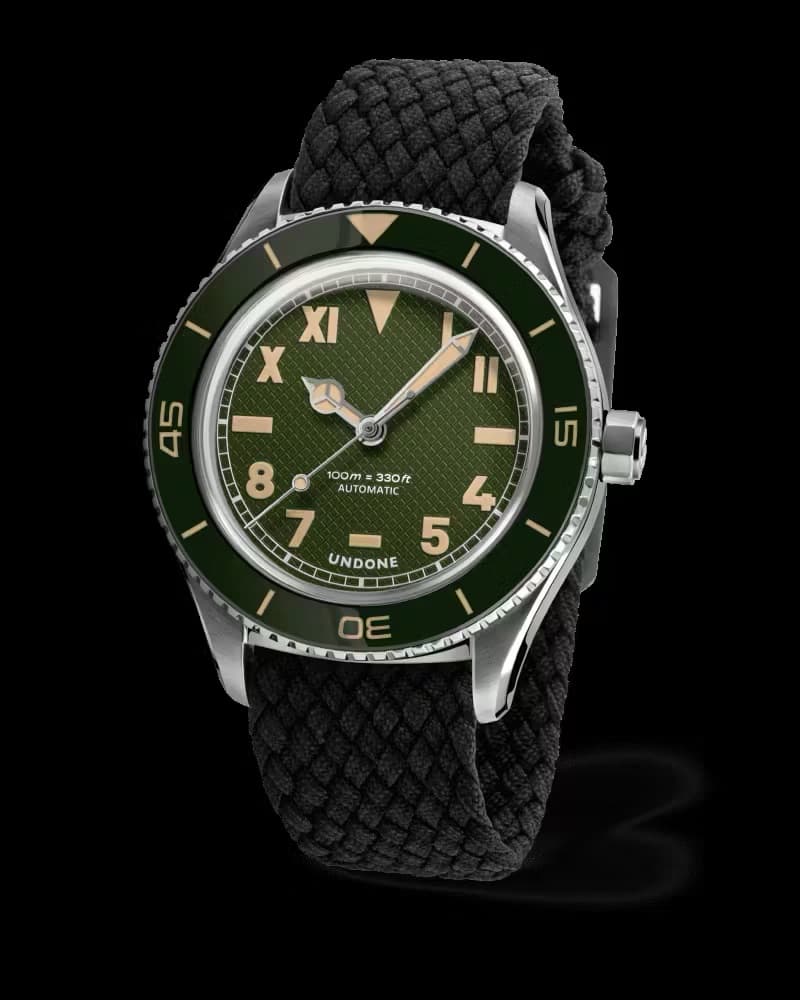 Undone Cali Green
Microbrands and The Watch Collectors Club
We at The Watch Collectors' Club believe there is no best microbrand, and enjoy wearing microbrand watches as much as anything from the big houses with long histories and famous names. We like all watches, and part of what makes the microbrand world so enjoyable is its variety and pace of change.
Several of our Club Members run or are building their own microbrand. We regularly have microbrand founders exhibiting at our watch shows — it is a great way to handle watches you have only seen online, and to talk directly with the people making them. If that sounds like your kind of afternoon, come along to one of our upcoming events.


Subscribe to newsletter
Subscribe to receive the latest blog posts to your inbox every week.
By subscribing you agree to with our Privacy Policy.
Continue exploring
Dive into more content from The Watch Collectors Club.