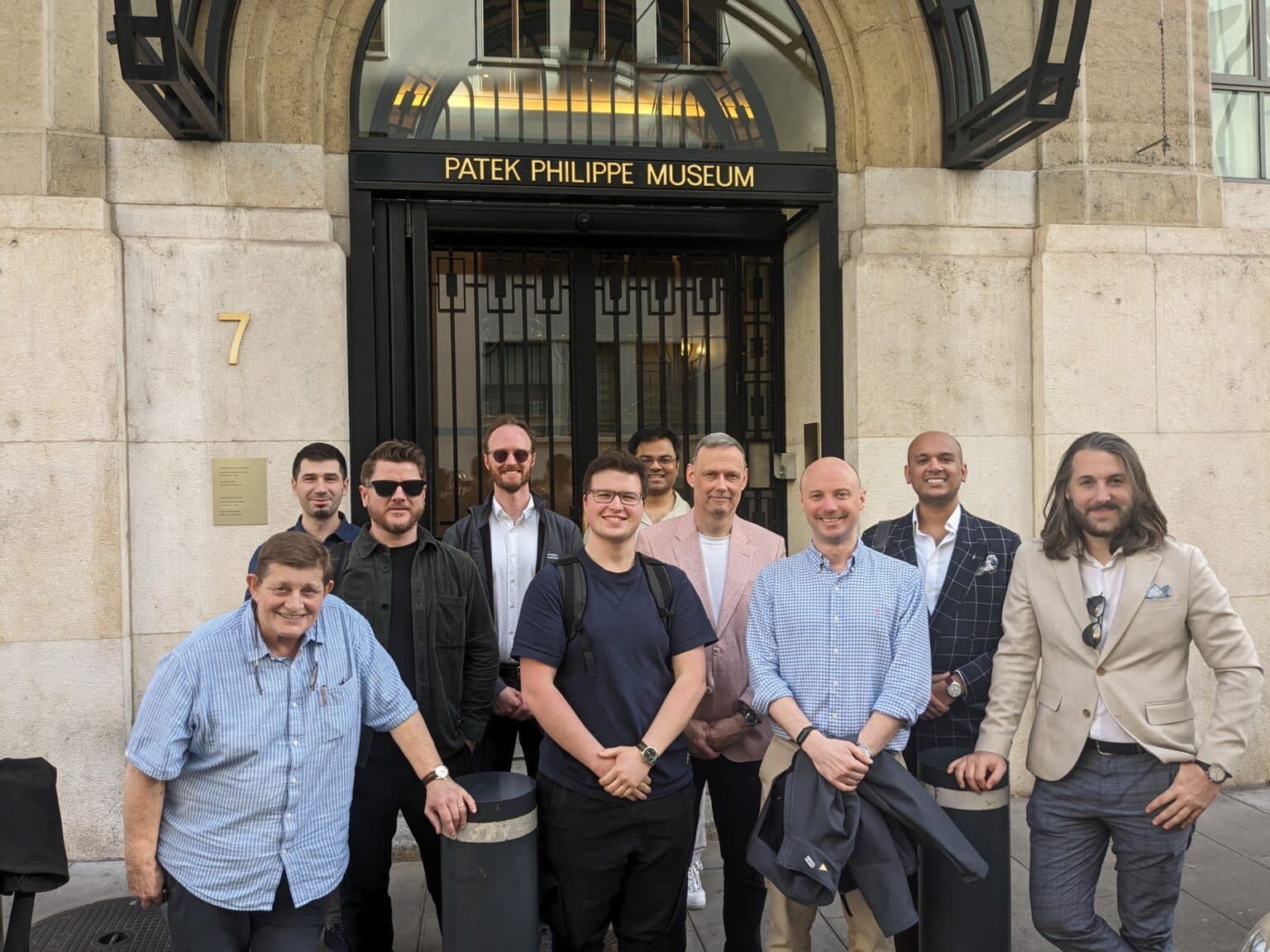
At our Meetup last week a new member came along for the first time. We were delighted to welcome her, and we joined her in being excited about her first watch purchase. She bought it recently from an antique dealer at the famous Portobello Road market here in London. It is an automatic, or self-winding, Seiko. It looks like it dates from the 1970s, and that’s what the dealer thought. It works well, but the automatic rotor rattles a bit, and there is a question mark about the crown.
After making the purchase, the owner is understandably keen to learn more about it but is so early on her collecting journey she had no idea what to do next. Fortunately, she has come to the right place. The Watch Collectors’ Club is here to help people learn about watches, whatever their starting point. Our Blog contains many How To articles like this one to help you enjoy your collection.


There are a number of straightforward steps to follow, and then the rest of it is simply reading the information you uncover, checking the details as closely as possible.
Table of Contents:
Gather all of the information you have about the watch into one place
Start with Google
Collect then search again
How to search for the year of manufacture
Cross-referencing your information
Possible Next Steps
What I did to Research this Watch:
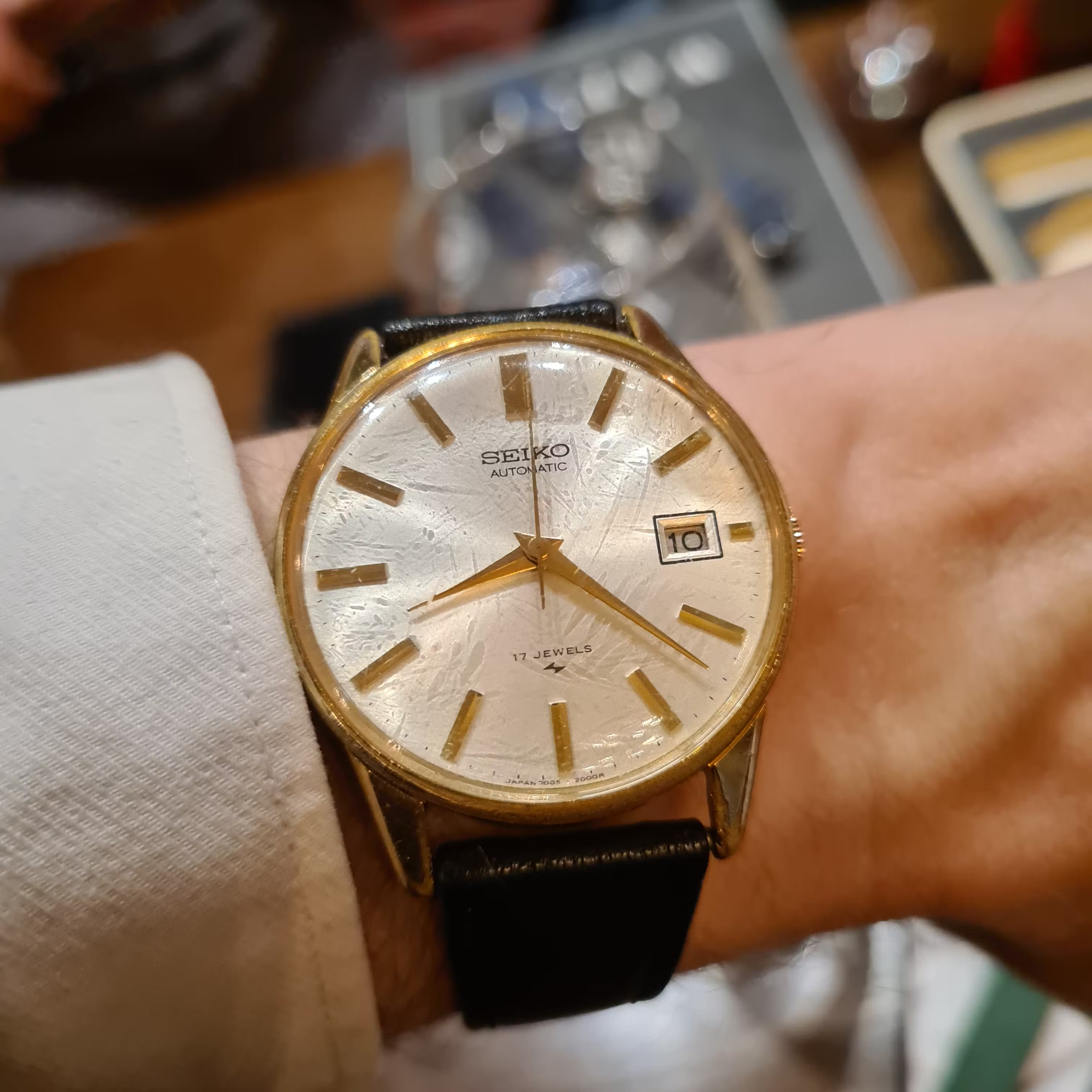
First, I collected the information I had, from the photos I took at our Meetup Event. I have the following from the front:
Seiko Automatic, with Date Function (in the little window at the 3 o’clock position).
The style looks to be 1970s or 1980s
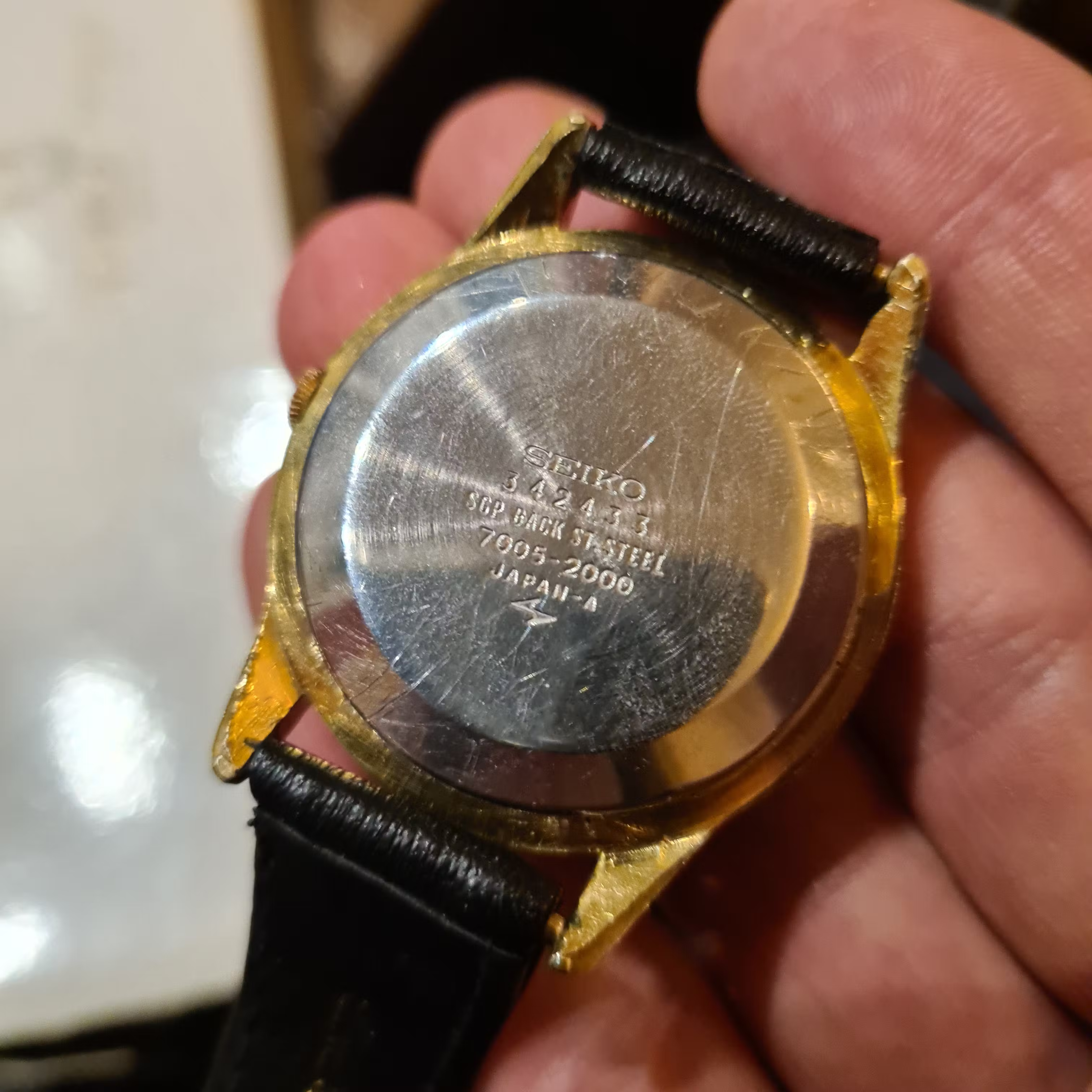
I have the following information from the case back:
Seiko – the Brand and Manufacturer.
The number 342433 which is printed in such a way I think it may be the serial number of this particular watch. Before the 1990s serial numbers were usually just a long number with no letters or other symbols.
SGP Back St Steel – this is telling me that the caseback is Stainless Steel.
7005-2000. This is printed in such a way I think it might be the Model Reference number. How do I know? Model Reference numbers often have a – or a / in them. Serial numbers before the 1990s mostly do not.
Japan-A – this probably means it was made and cased in Japan.
Now I turn to Google. Here is my first search term:
Seiko 7005-2000

Here are some of the links it suggests. How to know which ones to open? Well if you are a beginner, I suggest simply opening the first 5 that are not ads or from famous retail platforms such as Ebay.

Read the links to see if they are talking about a watch like this one. On this occasion, they are! This is a great result.
Now I can reconfirm my information:
I was correct that 7005-2000 was the model number, so the other number is probably a serial number.
These watches appear pretty common if there are plenty of articles and pictures of them.
This is great, as I can now try to find one that matches mine exactly, so I can check if all the parts are correct.
Of the articles, these two are the most valuable:
This is a watch Encyclopaedia that summarises things pretty well. It tells me straight away the range of years these watches were produced and explains the whole “family” of these movements and their different functions.
http://people.timezone.com/msandler/Articles/Workbench/Seiko/Seiko7005.html
This article is a technical restoration of the movement, which is interesting but most helpful for the third paragraph, which also outlines the details of the movement family.
We are narrowing down our watch! We have two independent sources of information for this watch family. That is enough at this stage.
Now we go back to Google. We Google the full name of the watch again and click the Images tab. This shows us many watches from the 7005-2000 family. We quickly see many that look like ours. Google will now always serve commercial links first, as that’s how it makes money. Look below that for more informative links, even in Google Images.

Search for Reference and Serial Numbers
We then want to see if we can narrow down the date further. Since we have confirmed this is a real Seiko and we think we have a serial number, we can google again.
This time we Google “Vintage Seiko reference numbers”.
This deliver us what we need next, a complete database of these reference numbers!
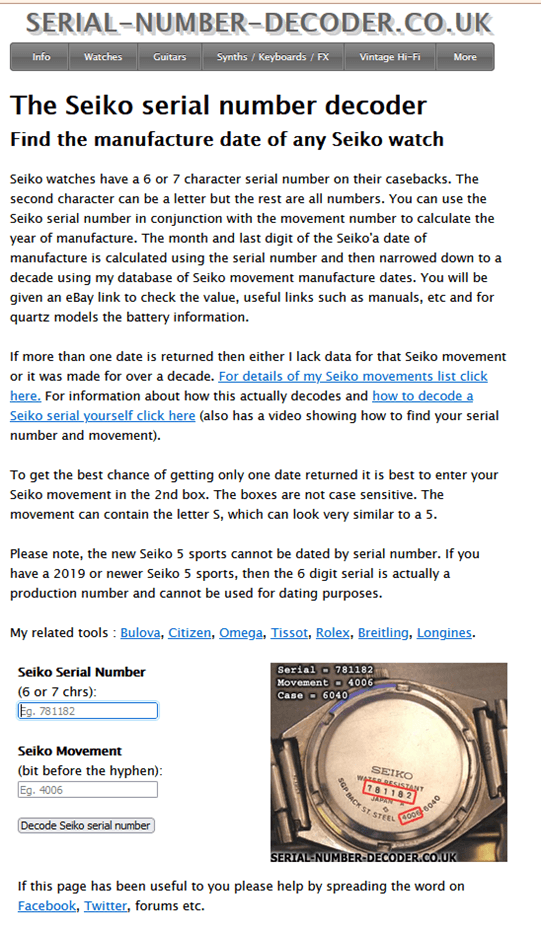
Using the tool then tells us that this watch was made in 1973. The next step is to add this to our Google image search alongside the search we've already done. This should give us images of these watches from this year. We can then use these to check our watch is similar, has similar parts etc. The goal here is to try and spot anything that looks wrong on the watch we're researching. In this example it might be that the crown is slightly different. So we should spend some time checking this specifically to see if this is a replacement crown.
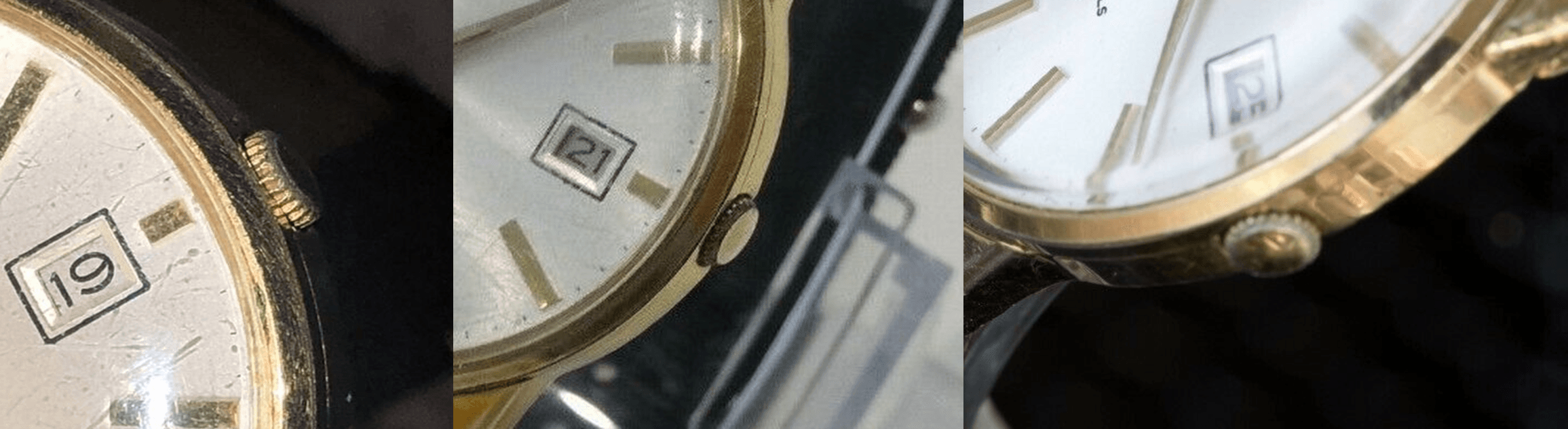
Possible Next Steps
We can now continue the process by looking at further images, Another option is to search online for any dealers of similar watches in your local area and then either ask them questions or arrange to meet them and ask them to bring any similar watches they might have for you to compare yours to.
You might also want to look up any Watch Meetups and Events in your area that you could attend to see if anyone there has a similar watch. The Watch Collectors' Club runs Meetups and Events every month across the UK, and we regularly have vintage Seiko watches brought along.


Subscribe to newsletter
Subscribe to receive the latest blog posts to your inbox every week.
By subscribing you agree to with our Privacy Policy.
Continue exploring
Dive into more content from The Watch Collectors Club.