Our events calendar is live, our Shows and Experiences are well into planning, and we're already seeing the watches that will define this year's conversations. Here's what we think is going to matter in 2025.
The Colour Wave Isn't Stopping
We've been tracking the shift towards colourful watches for a few years now and there's no sign of it slowing down. Whether it's the Rolex Oyster Perpetual's dial palette shifting again, or microbrands from around the world producing watches that pop across the dial, hands, and bezel — there are vivid, cheerful options at nearly every price point. We expect the major brands to keep leaning into this. The recently launched Audemars Piguet Royal Oak with a green Malachite dial is a good example — and it also points directly to the next trend.
Stone Dials and Semi-Precious Materials
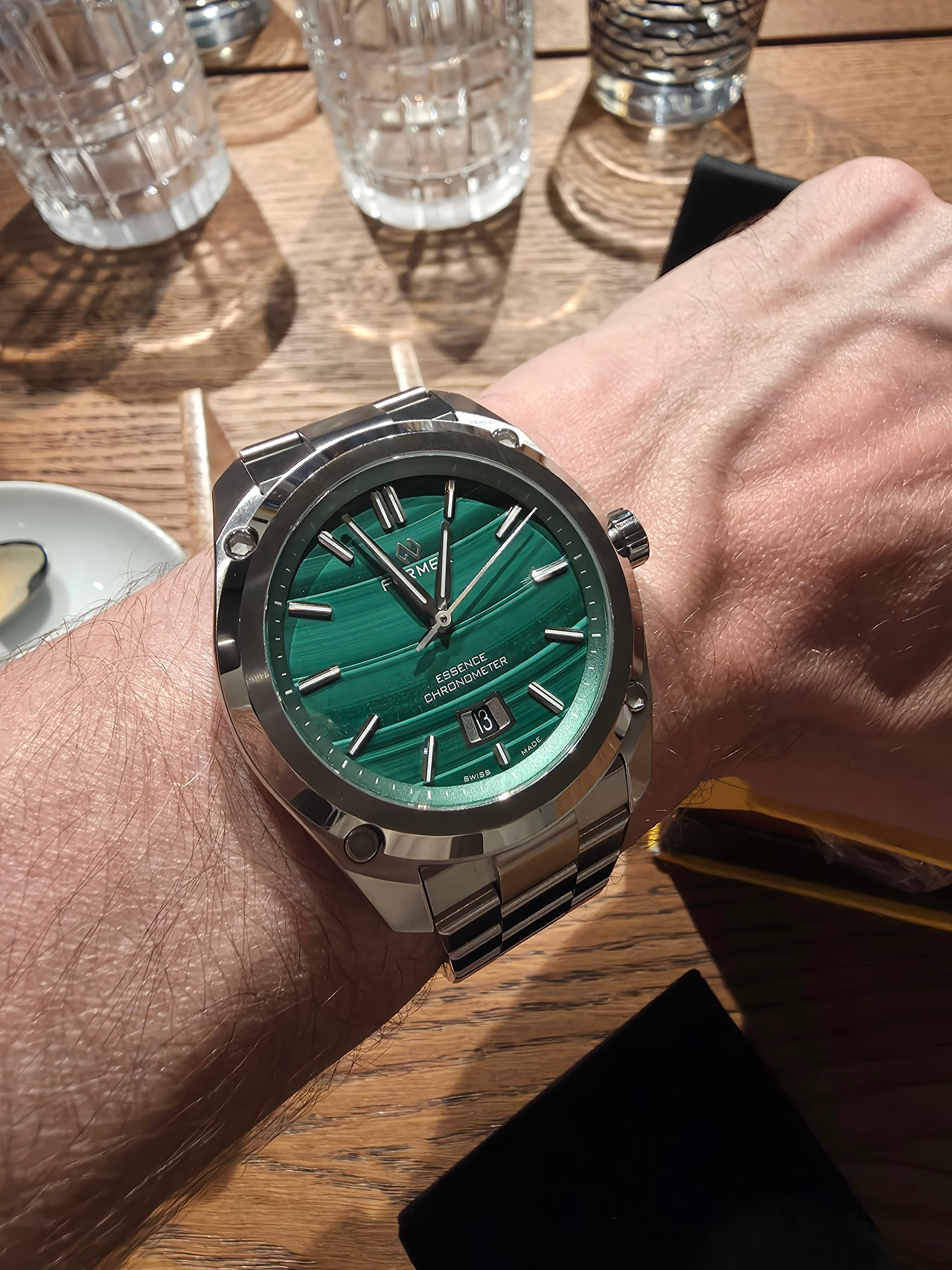
Stone dials have historically been the territory of brands like Piaget and Rolex, where they sit at the very top of the price range. What's changed is that high-quality stone dials are now available at prices that independent makers and microbrands can work with, which means collectors at far more accessible budgets can own one. You can see this clearly with brands like Baltic and Formex — both of whom are exhibiting at our UK shows this year — producing stone dial watches that would have seemed implausible from a small brand even five years ago. We expect more of the big luxury names to follow with new stone dial releases in 2025. This is one area where the whole market is moving together, which is interesting to watch. We've written more about this category in our guide to stone dial watches.
Dress Watches: A Real Moment, But How Long Will It Last?
Dress watches — slim, elegant, typically three-handed watches meant for smarter occasions — have never dominated sales volume. Tool watches and dive watches have always outsold them by a wide margin. But the last couple of years have seen a genuine wave of new dress watch releases from both established luxury brands and microbrands building their identity around the style. We think this continues in 2025. The Rolex Perpetual 1908 could expand further, and following Audemars Piguet's Neo-Frame launch, it wouldn't surprise us if Patek Philippe responds with something in a similar direction. That said, we're not sure this trend has a long runway. Most enthusiasts, when it comes down to it, want something more robust on the wrist. We're happy buyers of this style and genuinely enjoy the design conversation it opens up — but we'd expect the pendulum to swing back towards sportier pieces before too long.
Smaller Watches
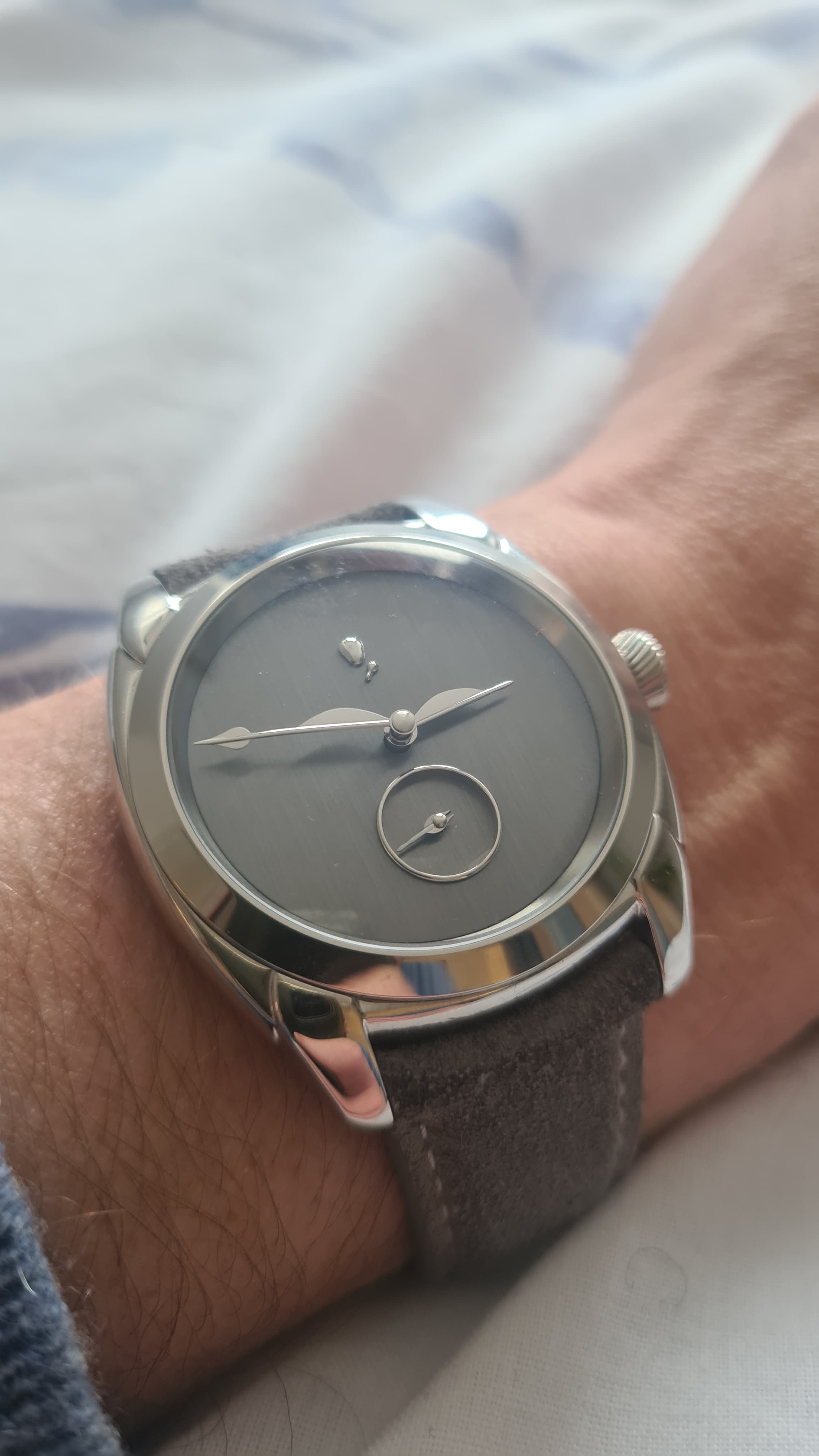
The era of the oversized watch peaked in the early 2000s and the industry has been gradually correcting ever since. Many brands now offer flagship models under 40mm, and some — like Blancpain with the Fifty Fathoms and Formex with their Essence range — produce the same watch in three different sizes to serve different wrists and tastes. We expect more of this in 2025, both as refinements of existing models and as new launches. It connects directly to the dress watch trend, and also to where the next trend is heading.
Unusual Case Shapes and Material Innovation
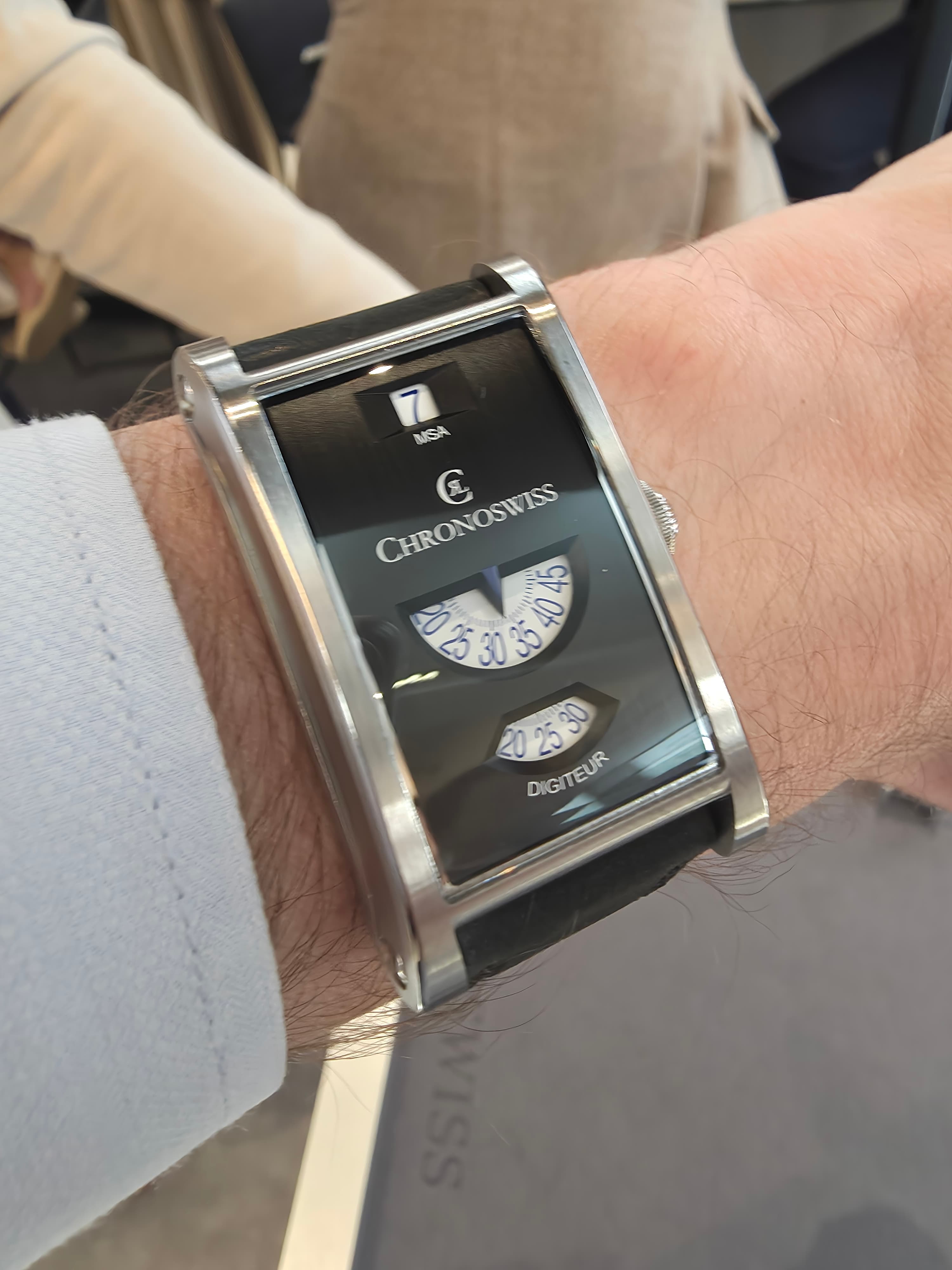
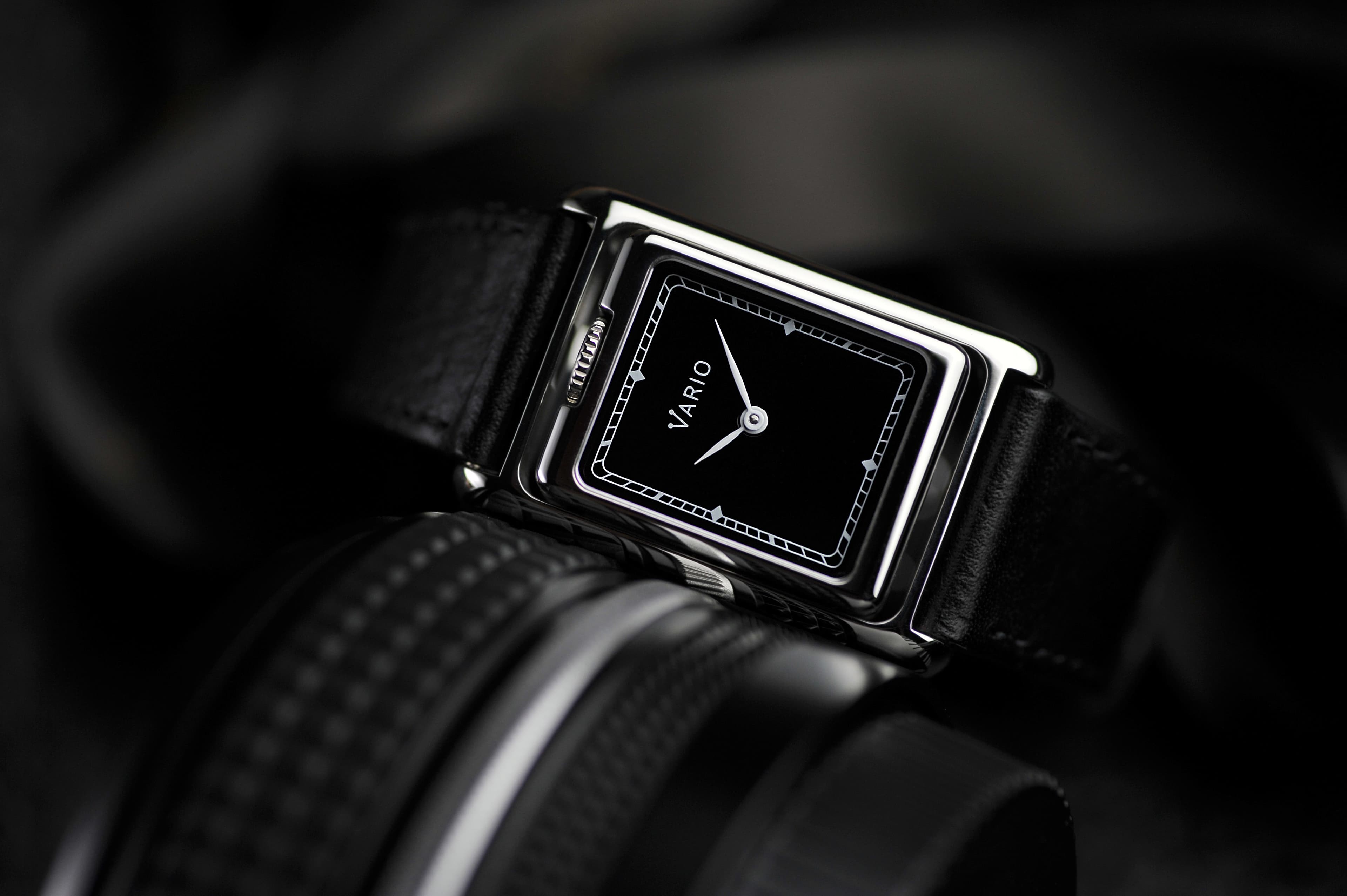
Standing out in a crowded market is hard. One way brands are doing it is with genuinely distinctive case shapes — watches that you notice immediately because nothing else looks quite like them. At the more experimental end, luxury microbrands like Toledano & Chan are launching watches inspired by Brutalism and 1970s industrial design. High horology brands like Chronoswiss are revisiting case forms from the 1930s. At the more accessible end, Singapore-based Vario is producing rectangular watches that won't require serious budget-stretching.
On materials: Richard Mille shifted expectations of what a luxury watch case could be with their titanium and carbon constructions over 20 years ago. Since then, brands including Formex, Moser, Hublot, and IWC have pushed ceramics into interesting new territory. Microbrands are now finding ways to work with these materials at lower price points, which opens up new colour possibilities and a genuinely different feel on the wrist compared to a traditional steel case. We expect material innovation to stay central to how brands compete. It's one of the more interesting engineering stories in the industry right now.
Jump Hours and New Approaches to Old Complications
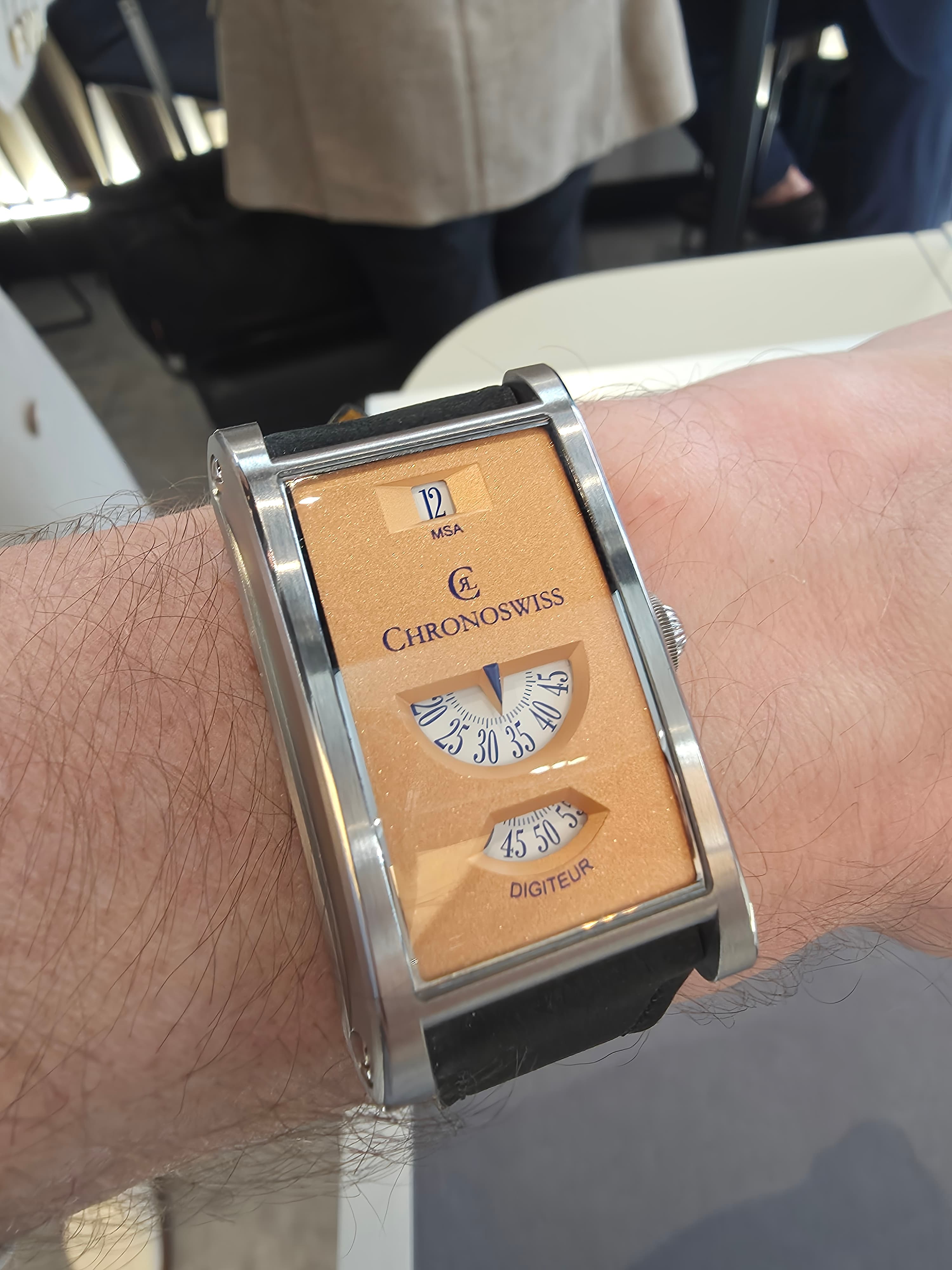
The jumping hour — where the hour is shown through a small window on the dial, displayed on a rotating disc beneath it rather than by a hand — was hugely popular in the 1920s and 30s. It's been having a real revival. In the last year alone: Christopher Ward developed a new movement to anchor a dedicated jumping hour line; Audemars Piguet included it in the Neo-Frame; and Niton, a brand known specifically for its jump hour watches in the 1930s, has been relaunched. A. Lange & Söhne have of course used this technology in the Lange 1 and Zeitwerk for over 30 years, but the broader interest is clearly growing. Beyond the jump hour specifically, high horology is in an active period of movement development — better power reserves, improved accuracy, more considered finishing. Rolex's new escapement, launched last year, will have competitors paying close attention. That kind of competition is good for everyone.
Collectors are increasingly interested in the reasoning behind a watchmaker's choices — why a movement is built the way it is, what problem a new design solves. We think that curiosity will only deepen in 2025 and the brands who can explain their thinking clearly will benefit from it.
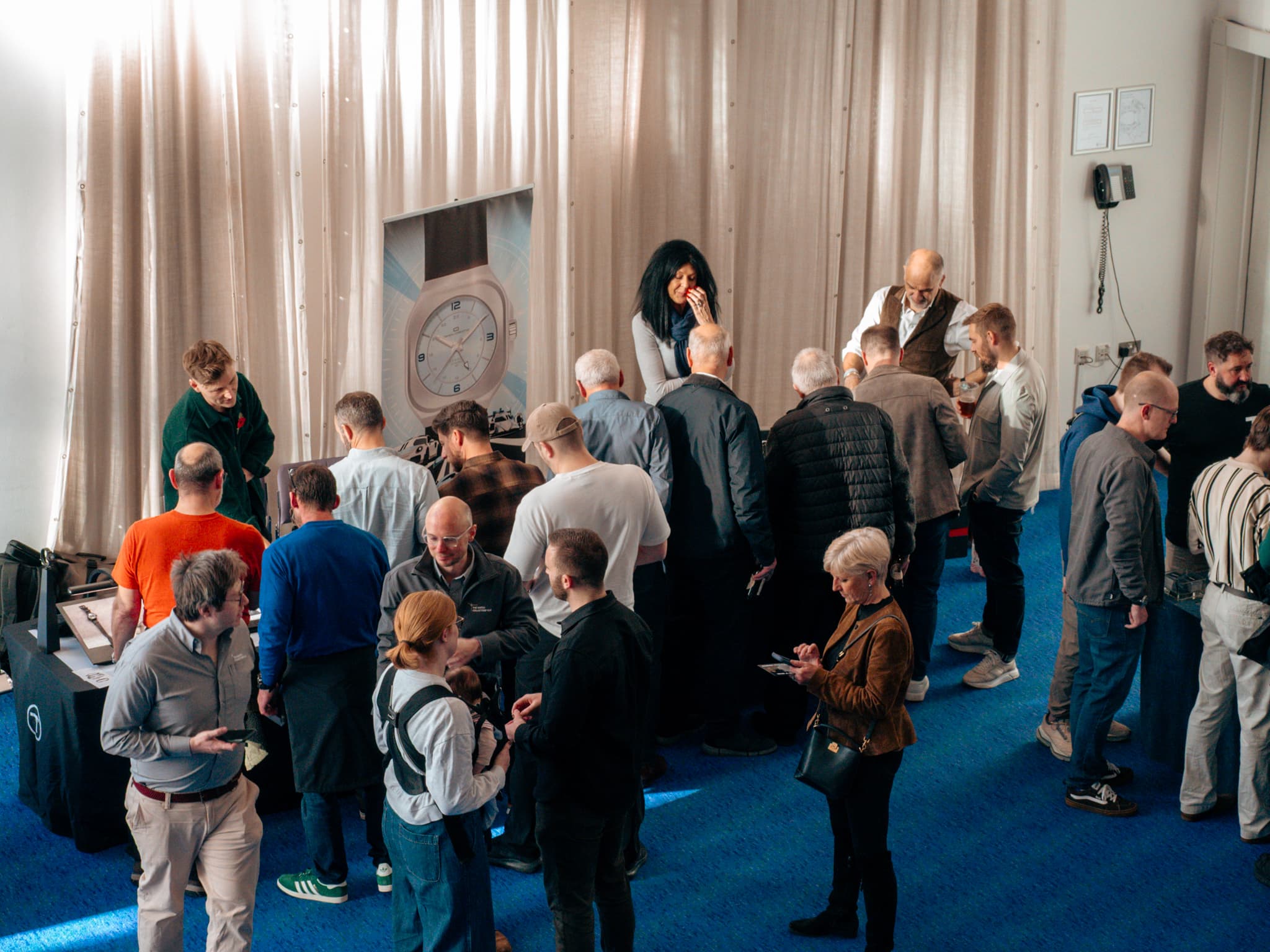
These trends don't sit in isolation — colour feeds into stone dials, smaller cases feed into dress watches, material innovation feeds into unusual shapes. The result is that there's more variety at more price points than there's been in a long time, and that makes it a good year to be paying attention. If you want to get hands-on with the watches driving these conversations, our Shows bring hundreds of pieces together in one place — often with the designers and makers present. Our next event is the Glasgow Watch Show in two months. If you want to go further, our Swiss Experiences take you to the ateliers and major shows where these trends are being set. Join us to see them for yourself!


Subscribe to newsletter
Subscribe to receive the latest blog posts to your inbox every week.
By subscribing you agree to with our Privacy Policy.
Continue exploring
Dive into more content from The Watch Collectors Club.